


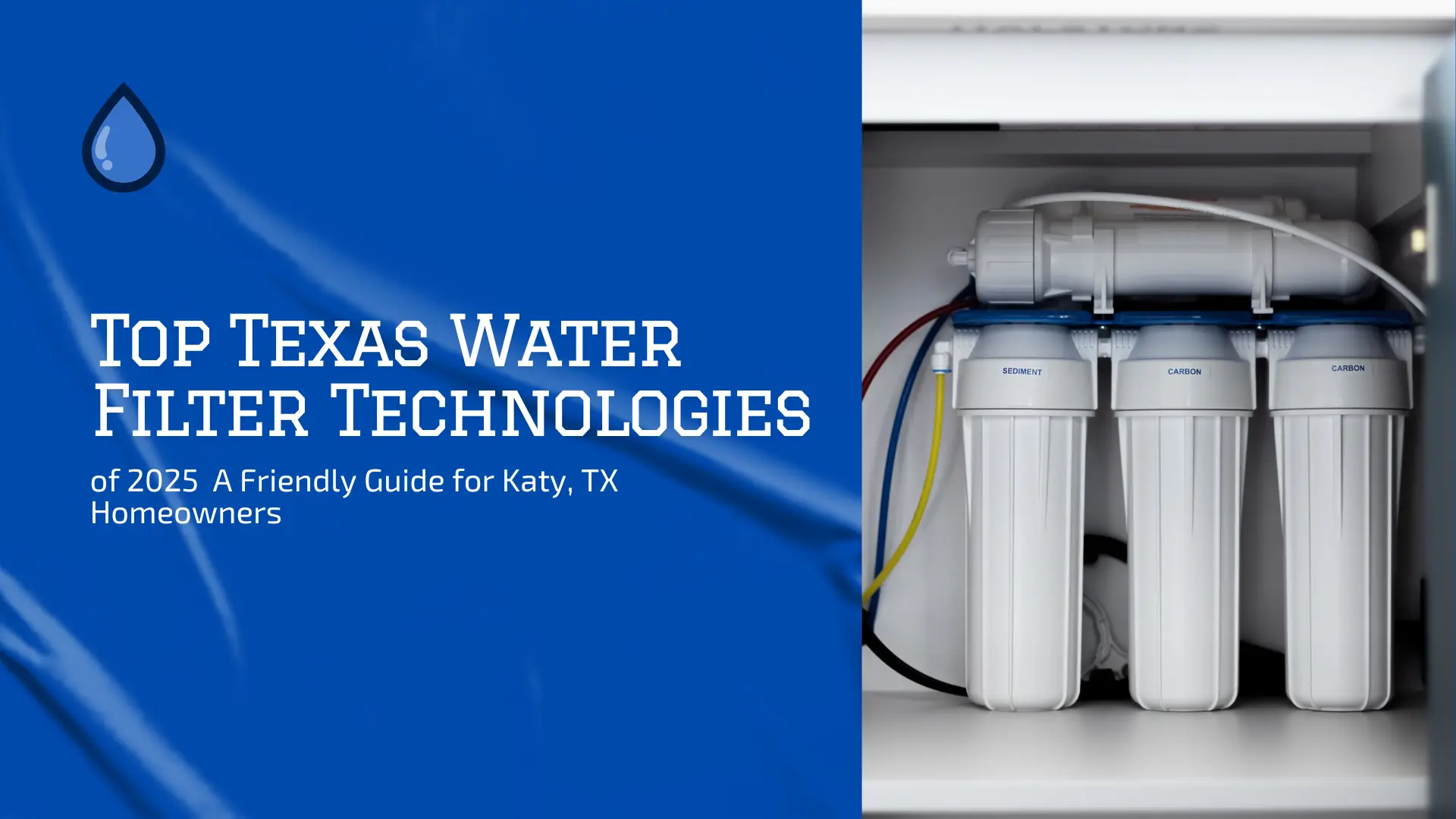
Living in Katy, TX west of Houston, in the mix of suburban neighborhoods and little pockets of rural charm most of us don’t give a second thought to what comes out of our taps. But take a minute, open the faucet, and think: is that water really “just water”? The truth is, local water comes with its own quirks a blend of minerals, treatments, and occasional surprises. As a longtime Katy resident (and someone who fixes leaky sinks in exchange for strong coffee), I know we deserve better than “just drinkable.” We deserve water that’s clean, gentle on skin and pipes, and dependable for cooking or appliances.
Here’s a helpful guide to the top water-filtering technologies in 2025 from UV purification to modern nanofiltration and exactly how folks in Katy can use them to turn “meh” water into “that’s perfect.”
Why Katy’s Water Doesn’t Always Taste Like Rain
Hard Water: The Unseen Everyday Struggle
If you’ve ever noticed white crust on faucets, soap that won’t lather, or spots on glasses coming out of the dishwasher, you’re dealing with hard water. In much of Katy whether supplied by a municipal system or a local water district calcium and magnesium levels tend to be high. These minerals don’t make the water unsafe, but they do make everyday chores harder. Over time, hard water leads to scale buildup inside pipes, shortens the lifespan of water heaters, and leaves mineral films on fixtures and dishes.
Chlorine & Chloramine: Clean but a Bit Harsh
To meet water treatment standards, many taps here carry a faint chlorine scent or taste. It’s there to kill bacteria and keep water safe but it can be rough on hair and skin, dull clothes over time, and even affect the taste of coffee or tea. Some treatment plants use chloramine (a combination of chlorine and ammonia), which is more stable in pipes but slightly harder to filter.
Sediment, Iron & Occasionally Sulfur Especially in Well Water Areas
Parts of Katy rely on well water or small districts rather than big city supply. In those zones, it’s not unusual to see sediment (tiny sand or silt particles) when a faucet is first turned on after the water sits. Some folks notice earthy or metallic tastes, rusty stains around sinks or bathtubs, or in rare cases a faint sulfur (rotten-egg) smell. These are clues that water may carry iron, manganese, or other naturally occurring minerals.
PFAS and Other Emerging Contaminants A Growing Concern
Like many areas in Texas, Katy lies near transportation corridors, refineries, or industrial zones. While widespread contamination hasn’t been documented, some households worry about PFAS (“forever chemicals”) or trace industrial pollutants. These can show up in water tests at very low levels, but long-term exposure has raised health and safety concerns worldwide.
What These Issues Mean for Your Health, Home, and Daily Life
- Skin, hair, and comfort: Hard water and chlorine can dry out skin, dull hair, and irritate sensitive skin over time. Soap doesn’t rinse cleanly, so clothes and towels might feel scratchy.
- Appliances and plumbing: Scale buildup shortens the life of water heaters, reduces water pressure, clogs showerheads, and reduces dishwasher or washing-machine efficiency. That all adds up to higher bills and more frequent repairs.
- Taste, odor, and water quality: Chlorine or metallic tastes make water less enjoyable sometimes even making homemade coffee or cooking taste off. Sediment or iron can discolor water, stain sinks, or leave an unpleasant smell.
- Peace of mind: The possibility of PFAS or other industrial pollutants lingers. Even if levels are low, many families prefer the comfort that comes from extra filtration especially if they cook with water, give it to children, or care about long-term exposure.
Simple Ways to Spot Water Trouble in Your Katy Home
You don’t need a lab to get a sense if your water’s giving you trouble. Here are easy, practical signs:
- Faucets and showerheads get crusty or clogged especially if mineral buildup appears around flow outlets.
- Soap refuses to lather or leaves a slick, oily feel even after rinsing.
- Water has an odd smell or taste metallic, earthy, or slightly chemical.
- Clothes coming out of washer feel stiff, dull, or faded.
- Water heater, dishwasher, or washing machine needs repairs more often.
- Glasses and dishes come out spotted even after the dishwasher.
- You see rust stains around sinks or tubs, or sediment at the bottom of buckets or watering cans.
If you notice even a few of these, it’s a good hint that your water deserves a closer look.
Filter & Soften: Smart Solutions for Katy’s Water Problems
Thankfully, several effective technologies many updated or improved for 2025 can address the challenges above. Here’s a friendly overview of what works, and how to choose what’s right for your home.
1. Water Softeners For Hard Water Relief
If hard water is your main annoyance, a traditional water softener is often the best starting point. These systems typically use ion-exchange to remove calcium and magnesium, replacing them with softer sodium (or potassium) ions. The result: soap lathers, mineral buildup fades, and your plumbing and appliances breathe easier.
In Katy’s situation especially with older homes or homes with well water a softener can dramatically reduce scale buildup and make daily chores simpler. For many households, that alone delivers enough comfort to make installation worth it.
For a custom-fit option, this is where systems like those from Aquapure come into play you get professional installation, support, and the confidence that comes with a lifetime warranty.
2. Carbon Filtration For Taste, Smell, and Chlorine Reduction
Carbon filters (activated carbon systems) are great for improving water taste and odor, especially if chlorine or chloramine is the culprit. They help remove organic compounds, reduce chemical tastes, and make water more pleasant for drinking and cooking.
Many in Katy combine a softener with a carbon filter: softened water for daily use and carbon-filtered water for the kitchen faucet. It’s a simple, cost-effective way to make tap water more enjoyable from morning coffee to cooking pasta.
3. UV Filtration For Microbial Peace of Mind
If you’re on well water or rely on a smaller water district with less frequent monitoring, UV filtration offers added protection against bacteria, viruses, or other microbes. A UV system uses ultraviolet light to neutralize harmful organisms, which can otherwise pass straight through carbon or softener filters.
Using a UV filter is especially wise if your well has shown signs of microbial contamination like occasional cloudy water, strange taste, or after heavy rainfall events when runoff can disturb groundwater. It’s a smart “just in case” layer of safety many Katy homeowners overlook.
4. Reverse Osmosis (RO) and Nanofiltration For Deep Purity
In 2025, modern nanofiltration and reverse osmosis units have become more efficient and compact, making them accessible even for typical suburban homes. These systems push water through ultra-fine membranes, filtering out sediments, minerals, chlorine byproducts, and even trace contaminants including PFAS or other pollutants that might concern families.
- Reverse osmosis (RO): Removes a high percentage of dissolved solids and many chemical contaminants. It’s ideal if you want water nearly as pure as bottled water great for drinking, cooking, and filling humidifiers or pet bowls.
- Nanofiltration: Similar to RO but often more efficient at leaving in beneficial minerals, while still reducing problematic contaminants. It can be a good balance if you care about taste and health but don’t want water stripped of all its mineral content.
For some Katy homes especially those using well water or near industrial zones a modern nanofiltration or RO system can feel like a small “insurance policy” for everyday health and peace of mind.
5. Combined, Layered Systems The Smart Whole-Home Setup
The most resilient setups we see these days in Katy combine multiple technologies:
- A water softener to handle hard water throughout the house (bathrooms, laundry, showers).
- A carbon filter for chlorine reduction at the kitchen tap.
- A RO or nanofiltration under-sink system for drinking and cooking water.
- A UV filter (if on well water or wanting extra microbial protection).
This layered approach offers comprehensive coverage crystal-clear drinking water, gentle water for skin and appliances, and long-term protection against a wide range of contaminants.
What Makes 2025’s Filtration Tech Better (and Easier)
If you looked at water filters ten years ago and thought they were bulky, complicated, or finicky things have changed. Here’s why now is a great time to consider upgrading or installing a filtration system:
- Compact designs: Modern filtration units take up less space under sinks or in closets ideal for kitchens or laundry rooms in Katy’s typical ranch-style homes.
- Better membranes: Advances in nanofiltration mean filters now strike a balance removing unwanted chemicals and micropollutants while preserving trace minerals that taste good and may benefit health.
- Energy-efficient UV systems: New-generation UV lights consume less power and run quietly, making them viable for everyday use with minimal maintenance.
- Pre-packaged, easy-install kits: Many systems now come in DIY-friendly or technician-installed packages with clear instructions or even full installation support.
All this means you don’t need to be a “DIY plumbing guru” to enjoy high-quality water at home you just need a trusted installer and a bit of curiosity.
How Residents Can Take Action Your Step-by-Step Water Plan
- Do a simple water test. Many local hardware stores sell inexpensive test kits for hardness, iron, and chlorine. Some community garden clubs or neighborhood associations even offer free group testing.
- Listen and watch. Take note of soap behavior, mineral buildup in kettles, rust stains, and odd tastes or odors. Maybe even jot them down it helps decide what to focus on.
- Match a solution to your problems. If scale is the only issue → consider a softener. If taste or odor bothers you → a carbon filter or RO. If on well water → strongly consider UV plus a membrane filter.
- Call in a professional installer (or trusted local company) if needed. Especially for combined systems it’s often worth the small cost for proper plumbing, certification, and long-term peace of mind.
- Maintain your system. Filters and membranes need changes over time; softeners need salt replenishment. A proper maintenance schedule keeps water flowing well and avoids future headaches.
How a Trusted Local Provider Like Aquapure Fits In
If you’d rather skip guessing games and get straight to clean water, a company like Aquapure can help. Their certified technicians come to your home to assess your water whether it’s hard, smelly, or has odd tastes and recommend a tailored solution.
- They can install water softeners if hard water is the main culprit.
- If you need crisp, clean drinking water or whole-home purification, they set up home water filtration systems.
- Their promise of free installation and lifetime warranty gives real peace of mind.
- And for anyone nervous about upfront costs their $0 down, buy now–pay later financing helps get the work done without immediate stress.
Because they’re Texas-owned and family-operated with over 10 years of local experience, they understand the specific quirks of Katy’s water. That kind of familiarity can mean the difference between “better water” and “right water for your home.”
Real Homeowner Questions in Katy My Straightforward Answers
Q: Is Katy tap water safe to drink?
In most areas, yes by regulatory standards, it’s chlorinated and treated. But “safe” doesn’t always mean “ideal.” Many residents prefer filtering to reduce chlorine taste, soften the water, or guard against trace contaminants. A filtration system can make tap water taste and feel much closer to fresh spring water.
Q: Do I really need a water softener if I only drink water from a filter?
Maybe. If you care mainly about drinking water and don’t care about scale buildup a kitchen filter (like RO or carbon) may be enough. But keep in mind: showers, laundry, fixtures, and appliances will still suffer from hard water. A whole-home softener protects those things and can save you money in the long run by extending appliance life and reducing plumbing issues.
Q: How much does a water filtration system cost in Katy?
Costs vary depending on size, complexity, and features. A single under-sink filter may run modestly, while a full home system (softener + carbon or nanofiltration + UV) costs more. That said: thanks to financing options and providers offering free installation and warranty, the investment often pays off quickly through fewer repairs, better appliance performance, and healthier, better-tasting water for you and your family.
So, Is 2025 the Year to Fix Your Water Problem?
If you’ve ever wrinkled your nose at tap water, scrubbed mineral stains off glasses, or dreamed of “fresh water straight from the faucet,” this is a good time to act. Modern filtration technologies softeners, carbon filters, UV, reverse osmosis, nanofiltration are more effective, compact, and affordable than ever.
For Katy homeowners, that means you don’t have to choose between “just tolerable” water and expensive bottled water. You can enjoy water that’s softer, cleaner, and better for your skin, pipes, clothes, and cooking.
If you’re curious what your water really looks like under the hood or want a custom solution for your home’s quirks reach out for a free water test or quote. It’s a small step that can make everyday water feel a whole lot nicer.