


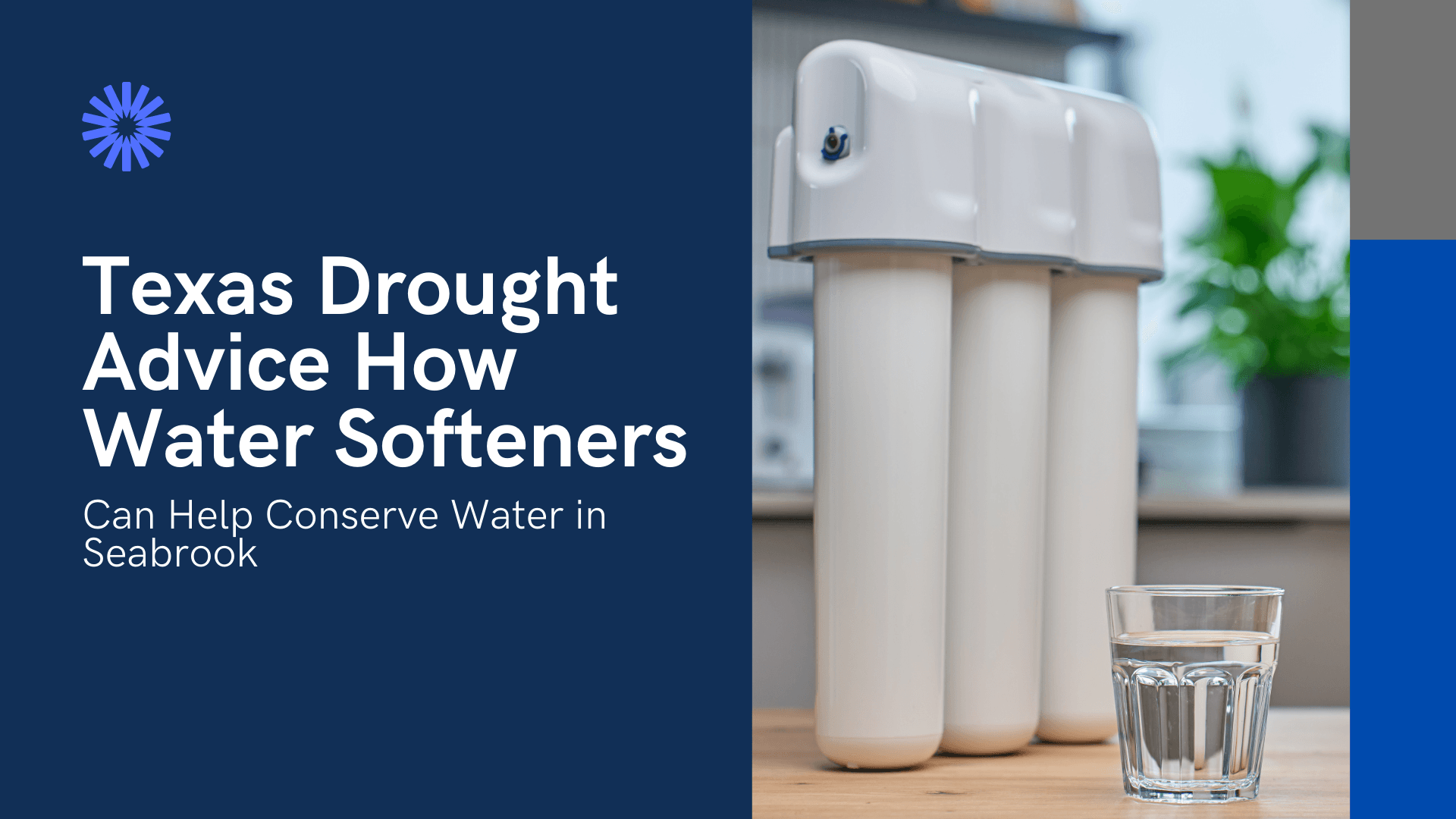
If you live in Seabrook, Texas or hearken from Katy or nearby coastal towns you probably already know that water here doesn’t behave quite like bottled water. Between drought-sensitive supply, high mineral content, and occasional taste or clarity issues, what flows from your tap can impact everything: from how soft your towels feel to how long your water heater survives. That’s why many local homeowners are turning to water softeners and filtration systems not just for convenience, but as part of a water-smart, long-term approach to living well in Seabrook.
Here’s a practical, local guide to what’s going on with our water and how a smart softener (or filter) can make a big difference.
Our Water Story: What Seabrook Residents Deal With
Hard Water Minerals: Calcium & Magnesium
Seabrook’s municipal water comes from surface sources, treated and distributed to homes across town. Yet the water still shows a moderate level of “hardness” meaning there’s a noticeable amount of dissolved calcium and magnesium in it. Over time, this mineral content shows up as white scale on faucet heads, shower doors, inside appliances, and even on dishes. It might not be a health hazard, but it’s a real nuisance.
What does that mean at home? If you’ve ever scrubbed at a ring on your shower door, seen mineral buildup on your coffee machine, or noticed your towels feeling less soft than they used to you’re seeing the effects of hard water.
Disinfection Byproducts & Chlorine Taste
Like many cities, Seabrook treats its water with chlorine (or similar disinfectants) before distribution. That helps ensure water is safe to drink but it also means many homeowners notice a faint “swimming-pool” smell or mild chemical taste. For some families, especially those with sensitive skin or kids, this can be annoying.
On top of that, the water quality report for the city indicates that a few disinfection byproducts (produced when chlorine reacts with natural organic matter) have been found at levels above the most conservative health guidelines. These are not new or unique problems to Seabrook but they underscore that “safe” under regulatory standards doesn’t always mean “ideal.”
Sediment, Rust, Old Pipes and the Coastal Angle
Because Seabrook draws from surface water and moves it through pipes that in some neighborhoods are decades old, sediment, rust, or tiny particles can find their way into the tap: especially after heavy rain or pipe maintenance. In older waterfront neighborhoods (common in coastal Seabrook), brownish water, occasional discoloration, or even a sandy residue at the bottom of a glass is not unheard of.
Moreover, being near the coast adds another layer: water traveling from treatment plants sometimes picks up trace elements or gets exposed to fluctuating pH or mineral content that exacerbate these issues. Sediment and rust don’t just stain they gradually wear down fixtures, clog aerators, and shorten the lifespan of water-using appliances.
Signs You Might Need More Than Just a Faucet Filter
Not sure if your home’s water deserves serious attention? Here are everyday red flags many Seabrook residents notice and overlook at their own risk:
- White, chalky buildup on faucets, showerheads, or inside kettles, dishwashers, and coffee makers.
- Soap that doesn’t lather, or soap scum on tubs and tiles.
- Stiff or scratchy laundry after washing, fading colors faster than normal.
- Water that tastes or smells like chlorine, or feels “heavy” on skin sometimes causing dryness or irritation.
- Cloudy water that either doesn’t clear quickly, or leaves gritty sediment in the bottom of a glass.
- Appliances (like water heaters, dishwashers, or washing machines) that begin to act up earlier than you’d expect.
If any of this sounds familiar you’re not alone. In many homes around Seabrook, these signs point to hard water, sediment, or disinfection residues as the underlying cause.
How Water Softeners (and Filtration) Help and Conserve Water
Why Soft Water Is Gentle on Your Home
A water softener works by reducing calcium and magnesium the minerals responsible for “hardness.” Softer water means:
- Less scale buildup on plumbing and fixtures, which helps pipes, heaters, and appliances run more efficiently for longer.
- Soap and detergents perform better, so you use less soap and less water when cleaning dishes, clothes, or even yourself.
- Smoother skin and hair after showers (for those with sensitive skin).
- Fewer repairs and maintenance which, in drought-sensitive Texas, indirectly conserves water by keeping your plumbing and appliances leak- and issue-free.
In short: if your water is hard, a softener doesn’t just improve comfort it extends the life of your home’s plumbing, reducing waste and inefficiency.
Filtration + Softening: A Full-Home Water Upgrade
Softening alone handles minerals. But if your water has chlorine taste, possible sediment, rust or other quality issues a filtration system becomes important too. A whole-home filter can catch or reduce:
- Sediment and rust particles from old pipes or the distribution system
- Chlorine or chloramine taste and smell
- Some disinfection byproducts that form when chlorine interacts with natural organic matter
When combined with softening, a filtration system gives you cleaner, safer, and more pleasant water that’s easier on skin, appliances, and even laundry. Plus, clean water can be more readily reused (for example, rinsing before watering plants something Neighbors in Seabrook sometimes do to cope during dry spells).
Local Realities: Why Seabrook Homes Benefit Greatly Right Now
Because of how Seabrook gets its water treated surface water traveling through long pipelines to coastal homes many water quality issues are entirely normal for this area. Basic filters or bottled water might help with taste, but often under-address the real culprits: mineral content, sediment buildup, chlorine-based treatment byproducts, and aging infrastructure.
Given our community’s water challenges and the added water pressure that droughts bring a properly sized water softener plus a whole-home filtration system becomes not just a convenience, but a smart, water-responsible long-term investment.
Meet a Realistic Water-Smart Solution: Customized for Seabrook Homes
For many local homeowners, a turnkey solution makes the most sense: a tailored system that understands Seabrook water’s quirks and how families actually use water. That’s where a professional approach comes in with free water testing, proper installation by certified technicians, and systems built for each home’s needs.
Imagine this:
- A free in-home water test to map your hardness, chlorine content, sediment and mineral profile.
- A custom softener sized for your household (so you don’t overpay, or under-treat).
- Fast installation with $0 down and Buy Now, Pay Later options so you don’t have to wait before improving your water quality.
- A lifetime warranty on the equipment, giving peace of mind that your plumbing and appliances are protected for years.
This isn’t about upselling extras it’s about fitting a solution to what your home actually needs, and doing so affordably and responsibly.
When Softener Alone Isn’t Enough Base Your Choices on Real Water Behavior
Not all water issues in Seabrook stem from hardness some are linked to rust, sediment, disinfection byproducts, or old pipes. That’s why a softener + filtration combo, or even a multi-stage system, may be the smart choice.
For example:
- If your water smells like chlorine or tastes “off,” a whole-home filter helps remove those not a softener.
- If you see discoloration after heavy rain or plumbing work, sediment or rust may be the culprit; filtration helps.
- If your appliances are slowing down, heating elements are scaling up faster than usual, or washing machines use more detergent than they should hardness is likely to blame.
Choosing based on what you actually see (taste, smell, scale, appliance wear) can save you money and avoid over- or under-treatment.
Seabrook Homeowner FAQ
Is Seabrook tap water safe to drink?
Yes the city generally meets federal standards and there are no active mandatory violations. But that doesn’t always mean the water is “ideal.” Some trace contaminants (byproducts of disinfection, chlorine taste, sediment or mineral content) may still affect taste, convenience, or long-term plumbing health.
Do I need a water softener in Seabrook?
If you see scale on faucets, have appliances that wear down quickly, or notice soap scum and hard laundry, then yes even if the water is legally “safe,” a softener can make daily life easier and save you money on maintenance.
Could a filter (instead of a softener) be enough?
A filter helps with chlorine taste, odor, sediment, rust and discoloration. But it won’t reduce hardness (calcium/magnesium), so if scale or mineral buildup is an issue, a filter alone may not solve it.
How much does a whole-house water filtration or softening system cost in Seabrook?
It depends heavily on your home size, water use, and water quality. The cost can vary but many find that with financing (low down payment and payment plans) the upgrade becomes affordable. Because these systems help prolong appliance life and reduce detergent or energy use, many homeowners see a return on investment over time.
Can I test my water myself before investing?
Absolutely. A simple at-home kit or a professional water test can tell you about hardness, chlorine, pH, and presence of sediment. That data helps you choose whether you need only a softener, only a filter, or a custom combo.
Final Thoughts Because Water in Seabrook Matters
Living in Seabrook means enjoying coastal breezes and Galveston Bay sunsets. But it also means dealing with the realities of Texas surface-water supply, old pipelines, and the quirks that come with them. Hard water, chlorine smell, sediment, and mineral buildup aren’t just inconveniences they affect how water feels in your home, how long your appliances last, and how much water you end up using (or wasting) over time.
By taking a practical, water-smart approach testing your water, understanding what you’re seeing and feeling, and investing in well-sized softening and filtration if needed you can make a real difference for your household. And you don’t have to do it alone.
If you’d like to get a free water test or a custom quote based on your Seabrook home, consider reaching out. Clean water soft, clear, dependable can be just around the corner.