


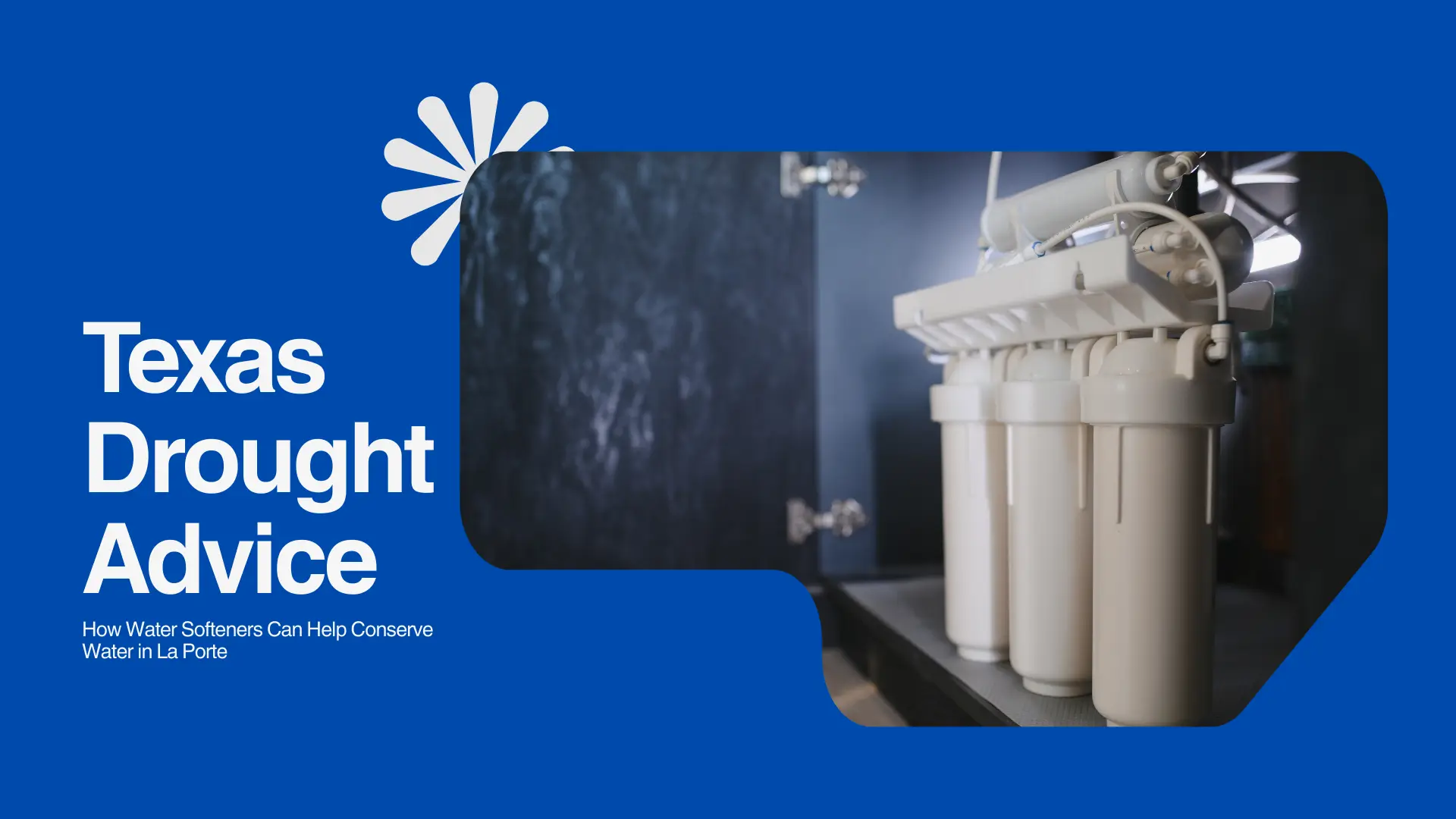
If you live in La Porte, you don’t need a news headline to tell you Texas is dealing with ongoing drought pressure. You feel it every summer when watering restrictions pop up, utility bills creep higher, and the heat seems to linger just a little longer than usual. What often gets overlooked in these conversations is how the quality of our water affects how much of it we actually use.
As a longtime coastal community near the Houston Ship Channel, La Porte faces some unique water challenges—hard minerals, heavy disinfection, and sediment are part of daily life here. The good news? Making small improvements at home, like improving your water quality, can quietly help conserve water while protecting your plumbing and appliances.
Let’s talk about what’s really in La Porte water, how it impacts your home, and why water softeners and filtration systems can be part of a smarter, drought-aware household.
Why Water Conservation in La Porte Looks Different
La Porte doesn’t struggle with water scarcity in the same way West Texas towns do, but drought still matters here. When rainfall drops and temperatures rise, the strain on regional water supplies increases. Utilities respond with stricter conservation measures, and homeowners feel the effects through higher rates and usage limits.
What many homeowners don’t realize is that hard, untreated water often leads to waste. Scale buildup makes appliances inefficient, plumbing fixtures clog faster, and everyday chores like laundry and dishwashing require more water to get the same results. In drought conditions, inefficiency adds up fast.
Improving water quality isn’t just about comfort—it’s about using less water to do more.
What’s Commonly Found in La Porte’s Water
La Porte draws its water from surface water sources that serve much of the greater Houston area. While it’s treated and meets safety standards, residents commonly notice several issues once that water reaches their homes.
Hard Water Minerals
Calcium and magnesium are the biggest culprits here. La Porte water is considered moderately to very hard, depending on your neighborhood and seasonal changes. These minerals aren’t harmful to drink, but they cause scale buildup inside pipes, water heaters, and appliances.
Over time, that scale reduces water flow and heat transfer efficiency—meaning longer showers, slower faucets, and appliances that run longer than they should.
Chlorine Taste and Smell
Chlorine is widely used to disinfect municipal water. In La Porte, many residents notice a strong chlorine smell, especially during warmer months or after system maintenance. While chlorine helps keep water safe, it can dry out skin, damage hair, and affect the taste of drinking water.
Sediment and Cloudiness
Because La Porte sits near industrial zones and coastal waterways, sediment can be an issue—especially after storms, line repairs, or heavy water demand. Fine particles can cloud water, stain fixtures, and wear down plumbing components.
Emerging Concerns Like PFAS
Like many Gulf Coast communities, La Porte homeowners are increasingly aware of “forever chemicals” and industrial byproducts that can make their way into water sources. Even at low levels, these concerns push many families to look for extra filtration at home for peace of mind.
How Water Quality Affects Daily Life (and Water Use)
You don’t have to read a lab report to know when water isn’t working in your favor. Most homeowners see the signs every day.
- Soap doesn’t lather well, so you use more water rinsing.
- Dishes come out spotted, leading to re-washing.
- Laundry feels stiff, prompting extra rinse cycles.
- Showerheads clog, reducing pressure and extending shower time.
- Water heaters struggle against scale, using more energy and water.
During drought conditions, all of this inefficiency means one thing: more water used than necessary. Fixing the underlying water quality issue helps break that cycle.
Simple Ways La Porte Residents Can Spot Water Problems
You don’t need fancy equipment to get a good sense of your water quality. Start with what you see, feel, and taste.
If your sinks and tubs develop white chalky residue, that’s hard water scale. If your hair feels dry or your skin itchy after showering, chlorine and minerals may be to blame. Cloudy water or grit at the bottom of a glass points to sediment.
Another clue is your appliances. If your water heater seems to wear out faster than expected or your dishwasher struggles to clean, poor water quality is often the hidden reason.
A professional water test is the clearest way to know what’s in your water. Local testing looks at hardness, chlorine levels, and other common contaminants specific to La Porte’s supply.
How Water Softeners Help Conserve Water During Drought
Water softeners are often thought of as comfort upgrades, but they play a real role in conservation—especially in hard-water areas like La Porte.
By removing excess calcium and magnesium, softened water flows more freely through pipes and fixtures. That improved flow means appliances operate efficiently and complete cycles faster, using less water overall.
Softened water also allows soap and detergent to work properly. When soap rinses clean the first time, you’re less likely to run extra rinse cycles or leave taps running longer than needed.
Perhaps most importantly, softeners prevent scale buildup inside pipes and water heaters. Scale acts like insulation, forcing systems to use more water and energy to do the same job. Keeping pipes clean helps your entire home run leaner during drought conditions.
If you’re curious about how systems are installed locally, Aquapure offers a dedicated water softener installation service designed for Texas homes, with systems sized specifically for La Porte water conditions:
Filtration: Making Every Drop Count
While softeners address minerals, filtration tackles chlorine, sediment, and other unwanted elements. A whole-home filtration system ensures the water you use for cooking, bathing, and cleaning is consistent and clean from every tap.
Filtered water often leads to fewer appliance issues, less fixture buildup, and better-tasting drinking water—reducing the need for bottled water during drought periods when plastic waste and delivery logistics also become concerns.
For homes dealing with both hardness and taste issues, combining filtration with softening creates a balanced solution that improves efficiency without overcomplicating things.
Aquapure’s home water filtration systems are customized for each household’s needs, taking into account La Porte’s local water profile rather than relying on one-size-fits-all equipment:
Why Local, Customized Solutions Matter
Every neighborhood in La Porte can experience slightly different water conditions depending on pipe age, usage patterns, and supply changes. That’s why blanket recommendations often miss the mark.
Working with a Texas-owned, family-operated company that’s been serving local communities for over a decade makes a difference. Aquapure technicians are certified, handle installation themselves, and provide ongoing support—no subcontractors, no guesswork.
Homeowners also appreciate practical details like free installation, flexible financing with $0 down and Buy Now–Pay Later options, and lifetime warranties that remove the worry of future repairs.
The goal isn’t to sell equipment—it’s to make sure your system actually helps your home use water more responsibly during challenging conditions.
Everyday Water-Saving Habits That Work Better with Softened Water
Once your water quality improves, conservation becomes easier without changing your lifestyle.
Showers feel cleaner faster, so they’re naturally shorter. Laundry gets cleaner in cold water with less detergent. Dishes rinse without spots, reducing repeat washes. Faucets and fixtures stay clear, maintaining steady flow without waste.
In drought-prone seasons, these small efficiencies add up across months and years.
Local FAQs from La Porte Homeowners
Is La Porte tap water safe?
Yes, La Porte’s tap water meets safety standards and is treated for drinking. That said, many residents choose additional filtration or softening to address taste, odor, minerals, and long-term plumbing concerns.
Do I need a water softener in La Porte?
Most La Porte homes benefit from a water softener due to mineral-heavy water. If you notice scale buildup, dry skin, or appliance issues, a softener can improve comfort and efficiency while helping conserve water.
Can a water softener really help during drought conditions?
It can. By improving appliance efficiency and reducing wasted rinse cycles and flow restrictions, softened water helps households use less water overall without sacrificing comfort.
How much does a water filtration system cost in La Porte?
Costs vary depending on your home size and water conditions. Many homeowners are surprised to find systems are more affordable than expected, especially with financing options and free installation available locally.
Should I test my water before choosing a system?
Absolutely. A professional water test gives you clear answers and helps ensure you’re solving the right problems, not just guessing.
A Friendly Next Step for La Porte Homeowners
If you’re concerned about drought, rising water bills, or the everyday hassles of hard water, starting with a free water test is a smart move. It’s a simple way to understand what’s coming into your home and what changes could help you conserve water without changing how you live.
Aquapure offers free water testing, customized recommendations, and honest guidance—no pressure, just neighborly advice from people who understand Texas water and La Porte homes.
Taking care of your water today helps protect your home, your budget, and our shared local resources for years to come.