


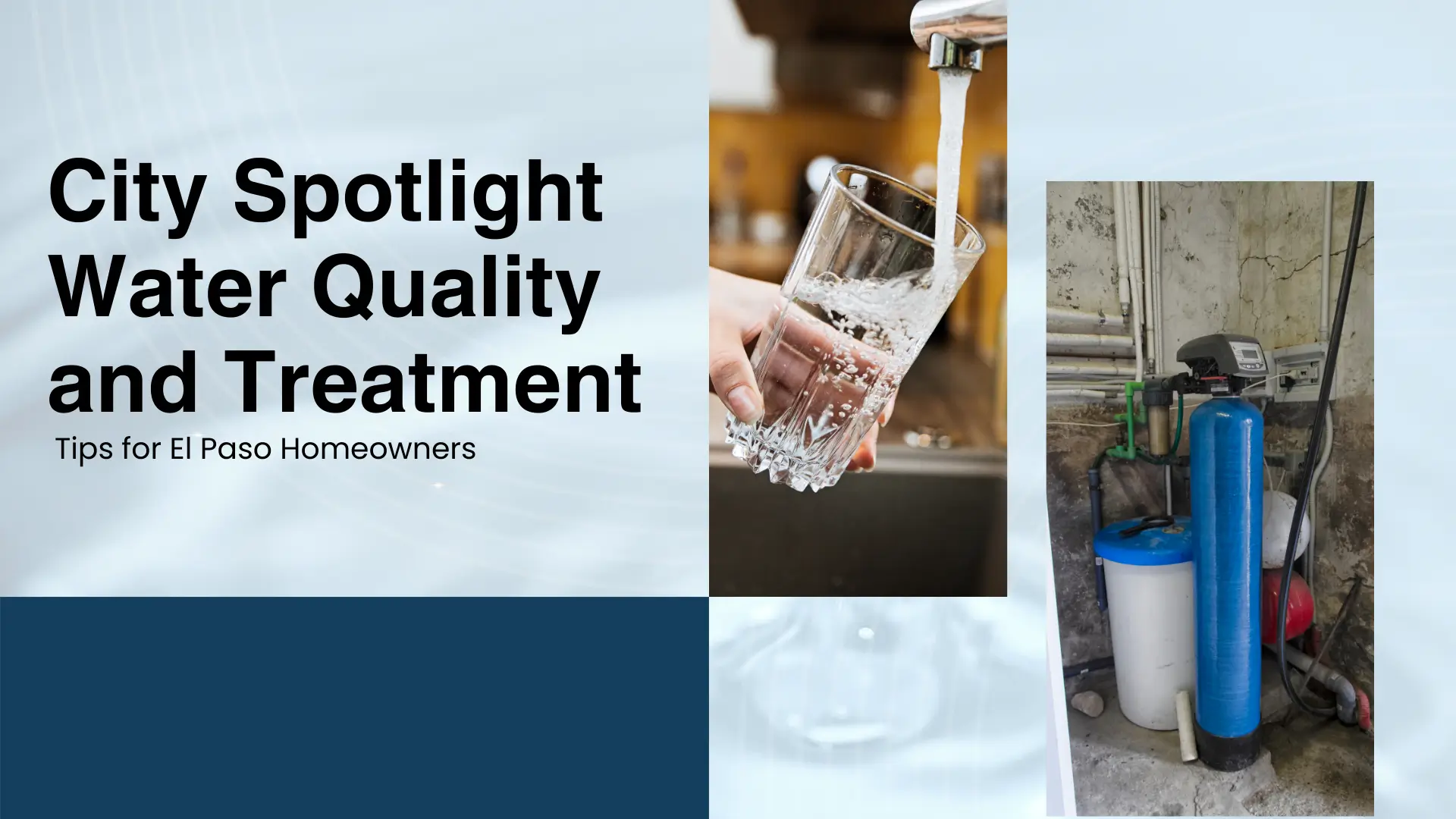
If you are raising kids in Texas, water quality is probably not something you think about every day. You turn on the tap, fill a cup, and trust that it is safe. Most of the time, it is treated and regulated. But treated does not always mean ideal, especially for growing children.
As a homeowner advisor who works with families across Texas, including areas like Hockley, I have seen how water quality affects everything from skin irritation to appliance damage. More importantly, I have seen how it impacts children’s health, daily routines, and long term peace of mind.
Let’s walk through what Texas parents should realistically know about water safety and what practical steps make sense for your home.
Why Water Quality Matters More for Children
Children are not just small adults. Their bodies are still developing. That means they can be more sensitive to:
- Lead in drinking water
- Excess chlorine in tap water
- Bacteria or sediment in older plumbing
- High mineral levels from Texas hard water
Kids also drink more water relative to their body weight. They use it for brushing teeth, bathing, filling reusable bottles for school, and mixing baby formula. If there is a water issue in your home, they are exposed to it daily.
For Texas families, especially in growing communities like Hockley, it is worth understanding what is actually coming through your pipes.
Common Water Concerns in Texas Homes
Water conditions vary by region, but some patterns show up across much of Texas.
Texas Hard Water
Most of Texas deals with hard water. Hard water simply means it contains high levels of minerals such as calcium and magnesium.
You may notice:
- White buildup on faucets and showerheads
- Soap that does not lather well
- Stiff laundry
- Dry or itchy skin after bathing
For children with eczema or sensitive skin, hard water can make irritation worse. It also shortens the lifespan of water heaters, dishwashers, and washing machines.
A properly installed water softener system helps reduce mineral content and can make a noticeable difference in skin comfort and appliance longevity.
Chlorine in Tap Water
City water systems use chlorine to disinfect water. This is important for killing harmful bacteria. However, chlorine in tap water can:
- Cause dry skin and brittle hair
- Leave a strong taste or odor
- Irritate eyes during bathing
Children who spend longer time in baths or showers are exposed through both skin contact and steam inhalation.
A home water filtration system that uses carbon filtration can significantly reduce chlorine levels before water reaches your taps.
Lead in Drinking Water
Lead is not typically present in treated water itself. The risk usually comes from:
- Older plumbing materials
- Lead solder in older homes
- Aging service lines
Even small amounts of lead in drinking water can be harmful to children. If your home was built decades ago, testing is a smart step.
If you are unsure whether your plumbing contains lead components, I could not confirm that without a water test or inspection. Here is how you can verify it:
- Request a local water quality report
- Schedule certified water testing
- Have a licensed specialist inspect your plumbing
Sediment and Rural Water Issues in Areas Like Hockley
In communities around Hockley, some homes rely on private wells while others are on municipal supply. Well water can sometimes contain:
- Sediment
- Iron
- Sulfur odors
- Bacteria if not properly maintained
Well water testing is critical for families with children. Unlike city water, private well systems are the homeowner’s responsibility.
How to Tell If Your Home Needs Water Purification
Parents often ask me how to know if there is actually a problem.
Here are practical signs to look for:
- Dry, itchy skin that improves when traveling
- White crust on faucets
- Metallic or chemical taste in drinking water
- Cloudy water
- Stains in sinks or tubs
- Frequent appliance repairs related to scale buildup
Even if you do not see obvious signs, testing provides clarity. A professional evaluation helps determine whether you need filtration, softening, or a more comprehensive whole home water purification system.
Understanding the Different Water Treatment Options
Many homeowners confuse softening, filtration, and reverse osmosis. They each solve different problems.
1. Water Softener System
A water softener system removes hardness minerals through a process called ion exchange.
What it helps with:
- Scale buildup
- Soap efficiency
- Skin and hair feel
- Appliance lifespan
What it does not do:
- Remove chlorine
- Remove bacteria
- Remove lead
Softening improves comfort and protects plumbing but it is not a complete purification method.
2. Home Water Filtration System
A home water filtration system often uses carbon filters to remove:
- Chlorine
- Sediment
- Some chemical contaminants
This improves taste and odor and reduces skin irritation from disinfectants.
When installed at the main water line, it filters water before it reaches showers, sinks, and appliances.
3. Reverse Osmosis Drinking Water
Reverse osmosis drinking water systems are typically installed under the kitchen sink.
They use a semi permeable membrane to remove:
- Dissolved solids
- Certain heavy metals
- Many contaminants at the molecular level
For families mixing baby formula or filling school bottles, this provides an extra layer of confidence.
Reverse osmosis is primarily for drinking and cooking water, not for the entire home.
4. Whole Home Water Purification System
A whole home water purification system combines multiple technologies such as:
- Sediment filtration
- Carbon filtration
- Water softening
- Optional sanitization
Water enters your home, passes through treatment equipment near the main supply line, and then flows to every fixture already filtered and conditioned.
For growing families, this approach offers convenience. There is no need for separate filters at every sink.
Bottled Water vs Point of Use Filters vs Whole Home Systems
Parents often ask which option makes the most sense.
Bottled Water
Pros:
- Convenient for travel
- No installation
Cons:
- Expensive over time
- Plastic waste
- Does not help with bathing or brushing teeth
Faucet or Pitcher Filters
Pros:
- Affordable
- Simple to install
Cons:
- Limited capacity
- Only treats one faucet
- Requires frequent cartridge changes
Whole Home Solutions
Pros:
- Treats all water entering the house
- Protects plumbing and appliances
- Reduces exposure during bathing
- Long term convenience
Cons:
- Higher upfront cost
- Requires professional installation
For many Texas homeowners, especially those dealing with Texas hard water, whole home systems make sense because they address both comfort and health concerns at the same time.
Maintenance Expectations
Any system needs maintenance. The good news is that it is predictable.
- Water softeners require periodic salt refills
- Carbon filters need replacement on schedule
- Reverse osmosis membranes require servicing
- Annual inspections keep systems performing correctly
Working with certified specialists ensures systems are sized correctly and installed safely.
Companies like Aqua Pure LLC have experience installing whole home systems, softeners, reverse osmosis units, and sanitization equipment across Texas communities. Professional installation matters because incorrect setup can reduce performance.
Long Term Benefits for Families
Parents often focus only on drinking water. But whole home treatment supports:
- Softer skin and hair for children
- Reduced scale damage to water heaters
- Lower soap and detergent use
- Better tasting cooking water
- Peace of mind about contaminants
When kids grow up in a home with properly treated water, daily exposure risks are minimized and maintenance headaches are reduced.
Frequently Asked Questions from Texas Parents
Is a whole home water purification system worth it in Hockley?
For many families in Hockley, yes, especially if dealing with hard water or well systems. It provides consistent treatment at every tap. The real answer depends on water testing results and your household needs.
What water issues are common in Texas homes?
The most common issues include Texas hard water, chlorine in tap water, sediment, and occasional concerns about aging plumbing that may contribute to lead in drinking water.
Do water softeners remove contaminants?
No. A water softener system reduces hardness minerals but does not remove chlorine, bacteria, or heavy metals. It improves comfort and protects plumbing.
Is reverse osmosis safe for daily drinking?
Yes. Reverse osmosis drinking water systems are widely used for daily consumption. They are especially helpful for families who want reduced dissolved solids and added peace of mind for children.
How long do home water systems typically last?
With proper maintenance, many systems last well over a decade. Tanks and housings are durable, while filters and membranes require scheduled replacement.
A Practical Next Step for Texas Parents
If you are unsure about your water quality, start with testing. Know what you are dealing with before investing in equipment.
If you want guidance from experienced professionals who understand Texas conditions, including areas like Hockley, Aqua Pure LLC works with homeowners on everything from water softeners to reverse osmosis and complete purification systems.
You can learn more about their approach to a whole home water purification system or speak with a certified specialist by visiting Aqua Pure LLC.
Clean water is not just about taste. For Texas parents, it is about protecting your children, your home, and your peace of mind for years to come.