


If you’ve lived in Texas for any length of time, you’ve probably noticed a chalky white buildup on your faucets, spots on your glassware, or maybe your coffee maker doesn’t seem to brew as fast as it used to. That’s hard water at work, and it’s one of the biggest hidden threats to your kitchen appliances.
Texas water is famously tough on homes. Whether you’re in San Antonio, Houston, Katy, or Sugar Land, the minerals in our water supply are quietly shortening the lifespan of dishwashers, refrigerators with water dispensers, and water heaters. The good news? A solid home water filtration system can turn things around.
Let’s talk about what’s really going on with your water, how it affects your appliances, and what you can do about it before you’re facing an expensive repair bill.
Why Texas Water Is So Hard on Appliances
Much of Texas gets its water from underground aquifers, particularly the Edwards Aquifer, which supplies San Antonio and surrounding areas. As water moves through limestone, it picks up calcium and magnesium. That’s what makes water “hard.” San Antonio’s water hardness typically ranges from 15 to 20 grains per gallon, which puts it firmly in the “very hard” category . Midland water is even more extreme, hitting 400–600 mg/L .
Houston, meanwhile, draws much of its water from surface sources, which comes with its own challenges: chlorine, sediment, and disinfection byproducts . Katy and Sugar Land face similar issues, with water quality varying depending on the source.
No matter where you live in the Houston metro or San Antonio area, the bottom line is the same: untreated water is doing damage you may not see until it’s too late.
How Hard Water Damages Your Kitchen Appliances
Dishwashers: The Visible and Invisible Toll
Hard water and dishwashers don’t mix. The minerals in hard water react with detergent to form soap scum, which can clog spray arms and filters . Instead of sparkling clean dishes, you get spots, streaks, and a film that seems impossible to remove.
Inside the dishwasher, limescale builds up on heating elements. That forces the machine to work harder to heat water, which uses more energy and eventually causes the heating element to fail. In homes with hard water, dishwashers often need replacing years earlier than they should.
Water Heaters: The Sediment Problem
Your water heater takes the biggest hit from hard water. As water heats, minerals settle at the bottom of the tank. Over time, this sediment layer thickens and acts like insulation, making it much harder for the heating element to do its job .
The consequences are real:
- Higher energy bills as the heater works overtime
- Reduced hot water pressure from clogged pipes
- Premature failureup to 75% of water heaters fail by year 12 due to mineral buildup
Flushing your water heater helps, but it’s a temporary fix. If you live in areas with hard water like San Marcos or New Braunfels, you need a long-term solution.
Refrigerators with Water and Ice Dispensers
That nice refrigerator with the built-in water dispenser and ice maker? Hard water can clog the small lines inside. You might notice slower water flow, smaller ice cubes, or a funky taste in your ice. The filters in refrigerators aren’t designed to handle hard waterthey focus on taste and odor, not mineral removal.
Coffee Makers and Small Appliances
Coffee makers, espresso machines, and kettles are also at risk. The heating elements in these small appliances get coated with scale, which makes them heat slower and less efficiently. You might also notice your morning coffee just doesn’t taste the samehard water minerals can give it a bitter or metallic flavor .
What About Contaminants Beyond Hard Water?
Hard water is the biggest appliance threat in Texas, but it’s not the only one. City-treated water contains chlorine, which is added to kill bacteria but can corrode rubber seals and gaskets in appliances. Chlorine also affects the taste and smell of drinking water.
Houston’s water, in particular, has tested for various contaminants, including arsenic and disinfection byproducts, at levels above what some health guidelines recommend . While the water meets federal safety standards, these trace contaminants can affect taste and potentially appliance components over time.
A home water filtration system tackles both the minerals that cause scale and the chemicals that can degrade parts.
What Kind of System Do You Actually Need?
This is where it gets a little technical, but I’ll break it down simply.
Whole-Home Water Softeners
A water softener system is your first line of defense against hard water. These systems use ion exchange to remove calcium and magnesium from your water before it travels through your plumbing. Everything in your homefrom your dishwasher to your showersbenefits.
If you’re looking at Westinghouse water softener reviews or researching Aqua Pure water softener systems, you’re on the right track. Softeners are the appliance protectors.
Whole-Home Water Filtration Systems
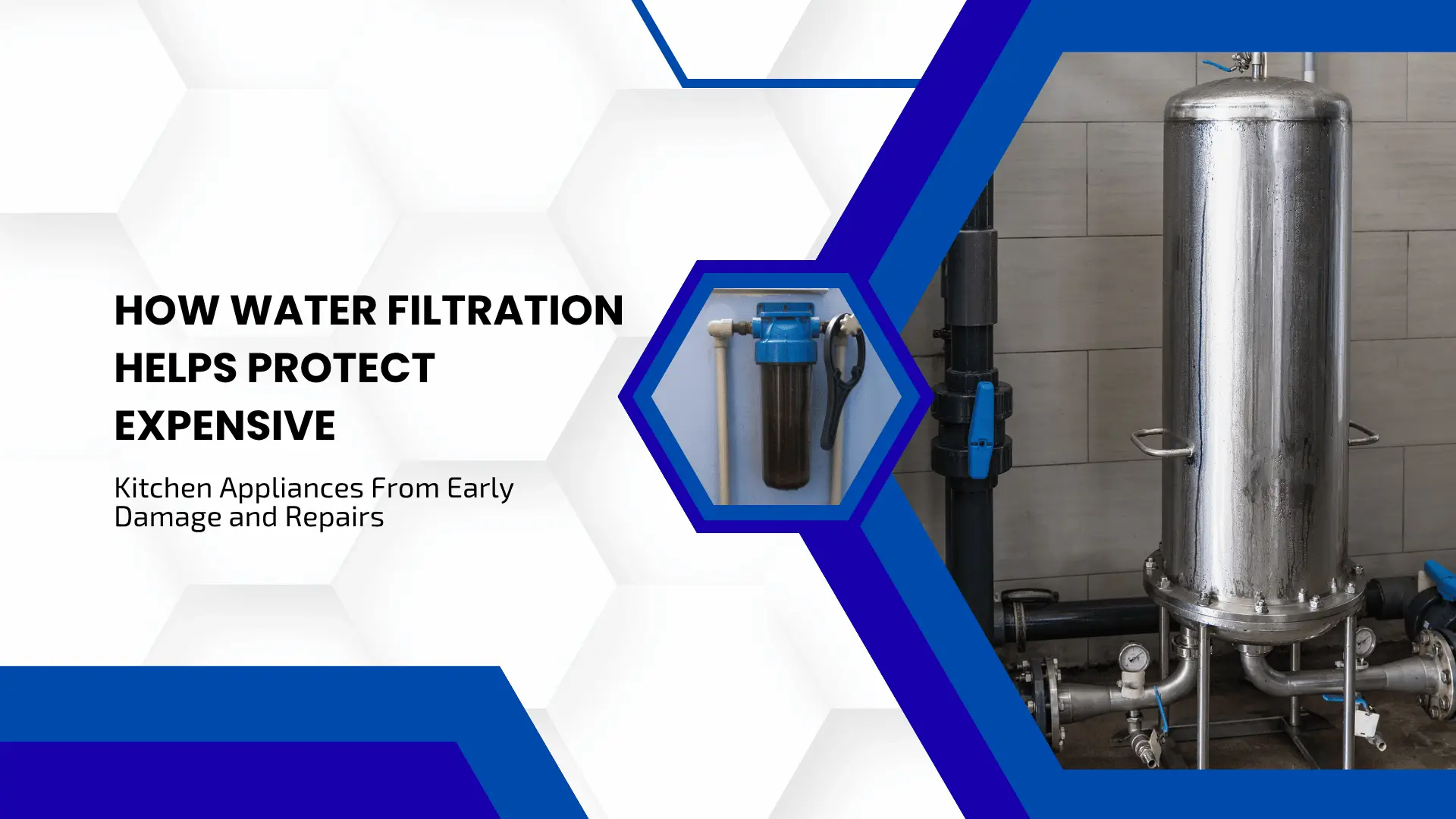
A whole-house water filtration system goes beyond softening. It can reduce chlorine, sediment, and other contaminants for every tap in your home . These systems typically use activated carbon filters to remove chemicals and sediment filters to catch particles.
For maximum protection, many Texas homeowners combine a water softener system with a whole-home filter. The softener handles minerals; the filter handles chlorine and sediment. This two-pronged approach gives you the best protection for appliances and better-tasting water.
Reverse Osmosis Systems
A reverse osmosis system is the gold standard for drinking water. It pushes water through a semipermeable membrane that removes up to 99% of contaminants, including lead, arsenic, and other dissolved solids .
While an RO system is typically installed under the kitchen sink, it doesn’t protect your appliances. It’s strictly for drinking and cooking water. You’d want to pair it with a whole-home system to protect appliances.
Sanitization Systems
UV sanitization and other disinfection technologies are mainly for well water, where bacteria can be a concern. For homeowners in San Antonio or Houston, city water is already sanitized with chlorine, so this isn’t usually a top priority.
Signs Your Home Needs Help
How do you know if your home needs a water treatment system? Look for these clues:
- White or chalky buildup on faucets, showerheads, and inside kettles
- Spots or film on dishes and glassware after washing
- Laundry feels stiff or looks dingy even with good detergent
- Low water pressure from mineral-clogged pipes
- Appliances needing repairs more often than expected
- A metallic or chlorine taste in drinking water
If you’re seeing a combination of these, your water is telling you something important.
How Long Do Water Treatment Systems Last?
A well-maintained water softener system typically lasts 10 to 15 years. Whole-home filtration systems can last 5 to 10 years depending on usage and how often you change filters. Reverse osmosis membranes generally last 2 to 5 years .
Regular maintenance makes all the difference. For softeners, that means keeping the salt tank full and cleaning it periodically. For filters, it’s about changing cartridges on schedule. If you’re in Katy or Sugar Land and looking for water filtration maintenance, local specialists can help keep your system running smoothly.
Is a Whole-Home System Worth It in Texas?
Short answer: yes, for most Texas homeowners.
Consider this: the average dishwasher replacement costs between $500 and $1,500. A water heater replacement can run $1,500 to $3,000 . Plumbing repairs from scale buildup cost even moresmall leaks from corroded pipes can cost $1,300 to $6,000 to fix .
Now add in the costs of higher energy bills from inefficient appliances. Hard water can reduce water heater efficiency by 24% to 48% in gas units, adding hundreds of dollars to annual utility costs .
A properly installed water softener system or whole-home water filtration system costs a fraction of what you’d spend on appliance repairs and replacements. It’s one of the smartest investments a Texas homeowner can make.
FAQ: Your Questions Answered
Q: Do water softeners remove contaminants?
A: No, water softeners remove minerals like calcium and magnesium that cause hard water. They don’t remove chemicals, heavy metals, or bacteria. For that, you need a water filtration system. Many homeowners pair a softener with a filter for complete protection.
Q: Is reverse osmosis safe for daily drinking?
A: Yes, reverse osmosis water is perfectly safe and is one of the most effective ways to remove contaminants. It does remove some natural minerals, so some people remineralize the water for taste, but it’s safe and healthy to drink daily.
Q: What water issues are common in Texas homes?
A: Hard water is the most widespread issue in Texas, especially in San Antonio, Austin, and the Hill Country. Houston and Dallas homeowners deal more with chlorine taste and sediment. Well water in rural areas may have bacteria or iron issues.
Q: How often should I change my water filters?
A: For whole-home systems, filters usually last 6 to 12 months depending on the type and your water quality. Reverse osmosis membranes typically last 2 to 5 years. Check your manufacturer’s recommendations and keep track of install dates.
Q: Can I install a water filtration system myself?
A: Some point-of-use systems like under-sink filters are DIY-friendly. Whole-home systems and water softener systems require professional installation for proper sizing, connection to your plumbing, and code compliance. In Texas, hiring a certified specialist is strongly recommended.
Q: Do water softeners make water feel slippery?
A: Yesthat’s a normal effect. The minerals have been removed, so soap lathers more easily. You’re also rinsing cleaner, which is why your skin and hair feel smoother. It’s not residueit’s the absence of hard water minerals.
Taking the Next Step
If you’re a Texas homeowner dealing with hard water, chlorine taste, or concerns about contaminants, protecting your kitchen appliances starts with the right water treatment solution.
Aqua Pure LLC specializes in whole-home systems, softeners, reverse osmosis, and sanitization for Texas homes. Their certified specialists understand local water conditions and can design a system that fits your home’s specific needs. Whether you’re in San Antonio, Houston, Katy, Sugar Land, or anywhere in between, they offer professional installation and maintenance to keep your waterand your appliancesin great shape.
Your appliances are too expensive to replace prematurely. Your water is too important to ignore. Get a professional water test, understand what’s in your water, and take action before the damage adds up.