


If you live in the Texas Hill Country, around San Antonio, or out past Katy on a few acres of land, that well in your yard represents independence. You’re not at the mercy of a city water bill, and you’re not reliant on municipal treatment plants. But with that freedom comes a big responsibility: you are the water utility. Unlike your neighbors in Sugar Land or Houston who get a water quality report mailed to them, no one is testing your water for you.
When I talk to rural homeowners, many admit they’ve never tested their well water, or they only tested it the day they bought the property. They often say, “It tastes fine,” or “It’s been running for 20 years without a problem.” But in my experience, that is a dangerous gamble.
Just because it looks clear and tastes okay doesn’t mean you’re safe. Natural elements in Texas soil, like arsenic, can be present without changing the taste. Furthermore, heavy rains can wash contaminants into your wellhead. That is why the experts at the Texas Well Owner Network (TWON) and Texas A&M AgriLife Extension are adamant: you should test your well water at least once a year .
Here is your practical, straightforward guide on what to test for and how to handle the results.
The “Big Three” Annual Tests (And Why They Matter)
When you send your sample off to a certified lab, or if you attend a local water screening event, there are three primary villains you need to look for every single year. Joel Pigg, a program specialist with the Texas Well Owner Network, notes that these are the most common issues they find .
1. Bacteria (Coliform and E. coli)
This is the most critical test for health. According to data from TWON screenings, they find that 15–20% of wells test positive for coliform bacteria, and 3–5% have E. coli . That is a significant number. If bacteria gets into your well, it usually happens during heavy rainfall, flooding, or if your well cap is damaged. E. coli is particularly dangerous because it indicates recent contamination from human or animal waste .
2. Nitrates
Nitrates are a concern for everyone, but they are especially dangerous for infants under six months old. High nitrate levels can cause methemoglobinemia, or “blue baby syndrome.” If you live near agricultural land, you are at a higher risk due to fertilizer runoff. Even in suburban areas like Spring or Cypress, lawn fertilizers can leach into the groundwater. They recommend testing for this annually because it is so common in our state .
3. Total Dissolved Solids (TDS) and pH
While bacteria and nitrates are health hazards, TDS and pH are the “plumbing” concerns. High TDS simply means a lot of minerals (like calcium and magnesium) are dissolved in your water. This is what causes hard water. It leaves those white deposits on your faucets, ruins water heaters, and makes soap less effective. The pH tells you if your water is acidic or alkaline. If the pH is too low, that acidic water will literally eat away at your copper pipes and cause pinhole leaks.
Specialized Tests for Texans (Watch the Neighborhood)
While the “Big Three” are the annual standard, you might need to add some specific tests based on where you live. The Texas landscape is diverse, and what is in the water in the Edwards Aquifer is different from what is in the water near the Gulf Coast.
Arsenic
In certain parts of Texas, arsenic occurs naturally in the bedrock. You cannot taste it, but it is a known carcinogen. TWON often tests for arsenic “as needed based on the area,” and if you are in a high-risk zone, this should be on your radar .
Heavy Metals
If you live near San Antonio or areas with heavy industry (or even older farmland), you may want to test for lead and copper. While lead usually enters water from old plumbing pipes inside the house, it’s good to know if your well is pulling it up from the ground.
The “Neighbor Rule”
As Joel Pigg points out, water issues are a case-by-case scenario. Your neighbor could have pristine water while yours is contaminated, even if you are pulling from the same source . A cracked casing or a well that pulls from a shallower depth can cause issues for one landowner but not the other. Never assume you are safe just because your neighbor is.
How to Handle Well Water Problems
So, you got your test results back, and something is “off.” Don’t panic. There is a solution for almost every water problem out there, but you have to choose the right tool for the job.
Hard Water vs. Contamination
Understanding the difference is crucial. A water softener is designed to handle hardness (calcium and magnesium). However, a water softener system does not remove bacteria or heavy metals. If you have bacteria, you need disinfection (like UV light sanitization) or chemical treatment. If you have arsenic or lead, you need a specific filtration media.
Whole-Home Filtration
For many Texas homeowners dealing with both hard water and organic contaminants, a whole house water filtration system is the gold standard. These systems are installed at the point where the water enters your home. They treat all the water you use—for drinking, showers, and washing dishes.
If you are in the market for this, you have options. Many homeowners look at reviews for systems like the westinghouse water softener or the aqua pure water softener, comparing westinghouse water softener reviews to make a choice. You might hear discussions about the westinghouse water filtration system reviews and how they stack up against other brands.
The reality is that different systems work better for different water profiles. A water softener system might be the only fix you need for San Antonio’s famously hard water, which is a major complaint in the area. However, if you have high TDS, you might need a more advanced system. This is why companies like Aqua Pure LLC often offer solutions that combine a softener with a filtration system, or they might recommend a reverse osmosis system specifically for your drinking water tap.
Reverse Osmosis for Drinking
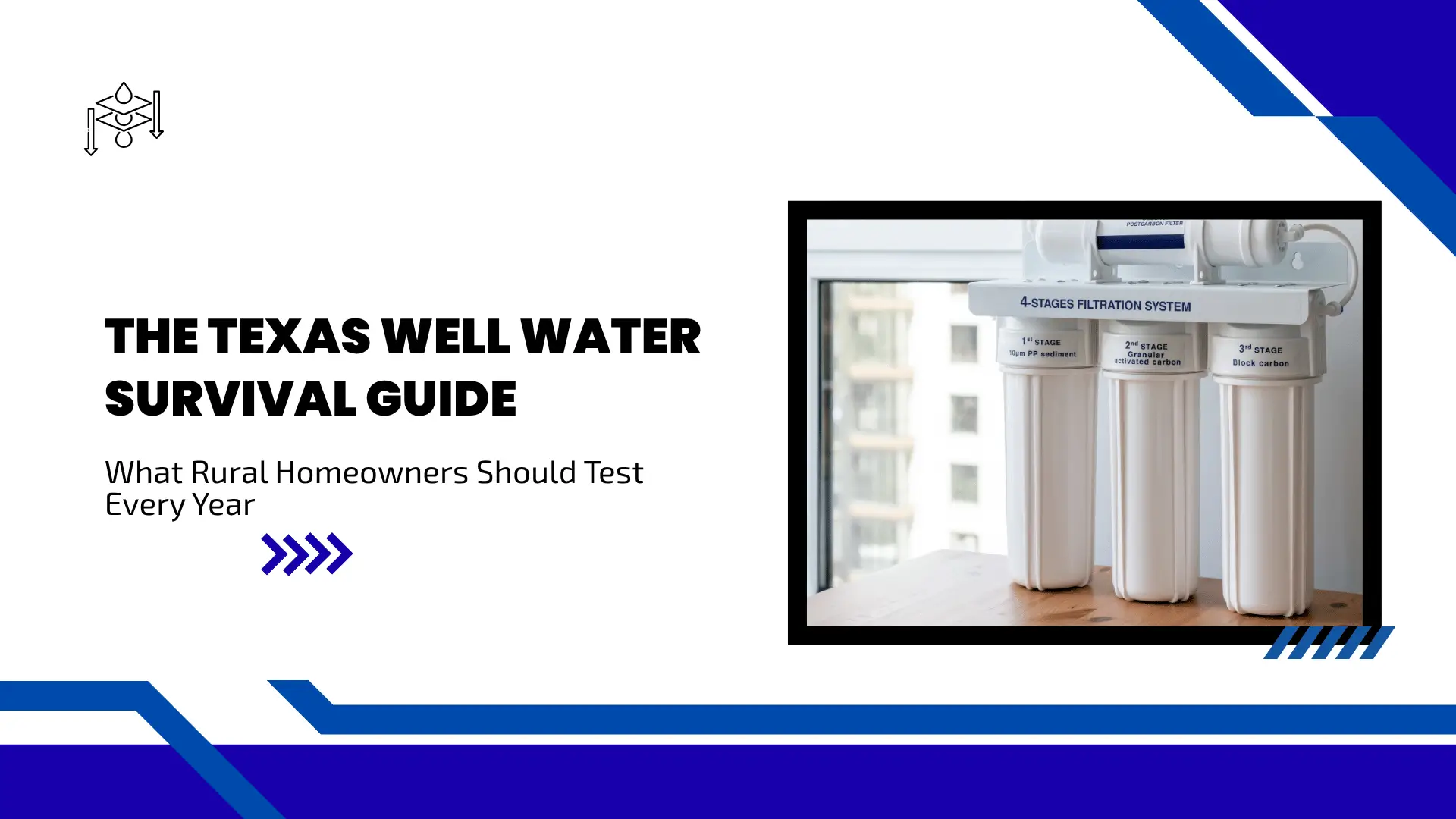
Let me be clear: a reverse osmosis system is a fantastic way to remove a high percentage of total dissolved solids, heavy metals, and even nitrates. It is safe for daily drinking. However, most RO systems are point-of-use (under the kitchen sink) units. They are slow and waste some water, but they produce the highest quality drinking water possible.
The Maintenance Mindset
Having a water treatment system isn’t a “set it and forget it” deal. If you install a whole-home system, you must maintain it. If you don’t change the filters or service the unit, you can actually “grow bad bacteria while meaning to do a good thing,” as one expert warned . If you are looking into options, make sure you understand the service requirements.
Frequently Asked Questions
Is a whole-home water purification system worth it in Texas?
Absolutely, especially if you are on a well. It protects your appliances from scale buildup, removes hard water stains, and ensures your bathing water is safe. It is an investment in your property value and the longevity of your plumbing.
Do water softeners remove contaminants?
No. Water softeners remove “hardness” (calcium and magnesium). They do not remove bacteria, heavy metals, or nitrates. You typically need a separate filtration system or a combined unit for that.
Is reverse osmosis safe for daily drinking?
Yes. It is one of the safest methods of water filtration. It effectively removes heavy metals, nitrates, and salts. Just ensure you are getting adequate minerals from your diet since it demineralizes the water.
How long do home water systems typically last?
If maintained properly, a whole-home water softener or filtration system can last 15 to 20 years, though filters need replacing annually or semi-annually.
Your Next Steps
Living on well water in the greater San Antonio, Houston, or Austin metro areas is a privilege, but it requires vigilance. If you haven’t tested your water this year, find a certified lab via the TCEQ or a local groundwater conservation district. If you find an issue, don’t delay.
For more than a decade, Aqua Pure LLC has been a trusted Texas-based resource for homeowners dealing with these exact challenges. They have experience with whole house water filter installers and specialize in water softener system installation, home water filtration, and san antonio water filtration services. Whether you need residential water treatment in San Antonio or a water filtration system in Dallas, they can help.
If you are ready to ensure your family’s water is safe and your appliances are protected, reach out to their team to discuss your water test results and find the right solution for your home. You can learn more about their systems and schedule an expert consultation.