


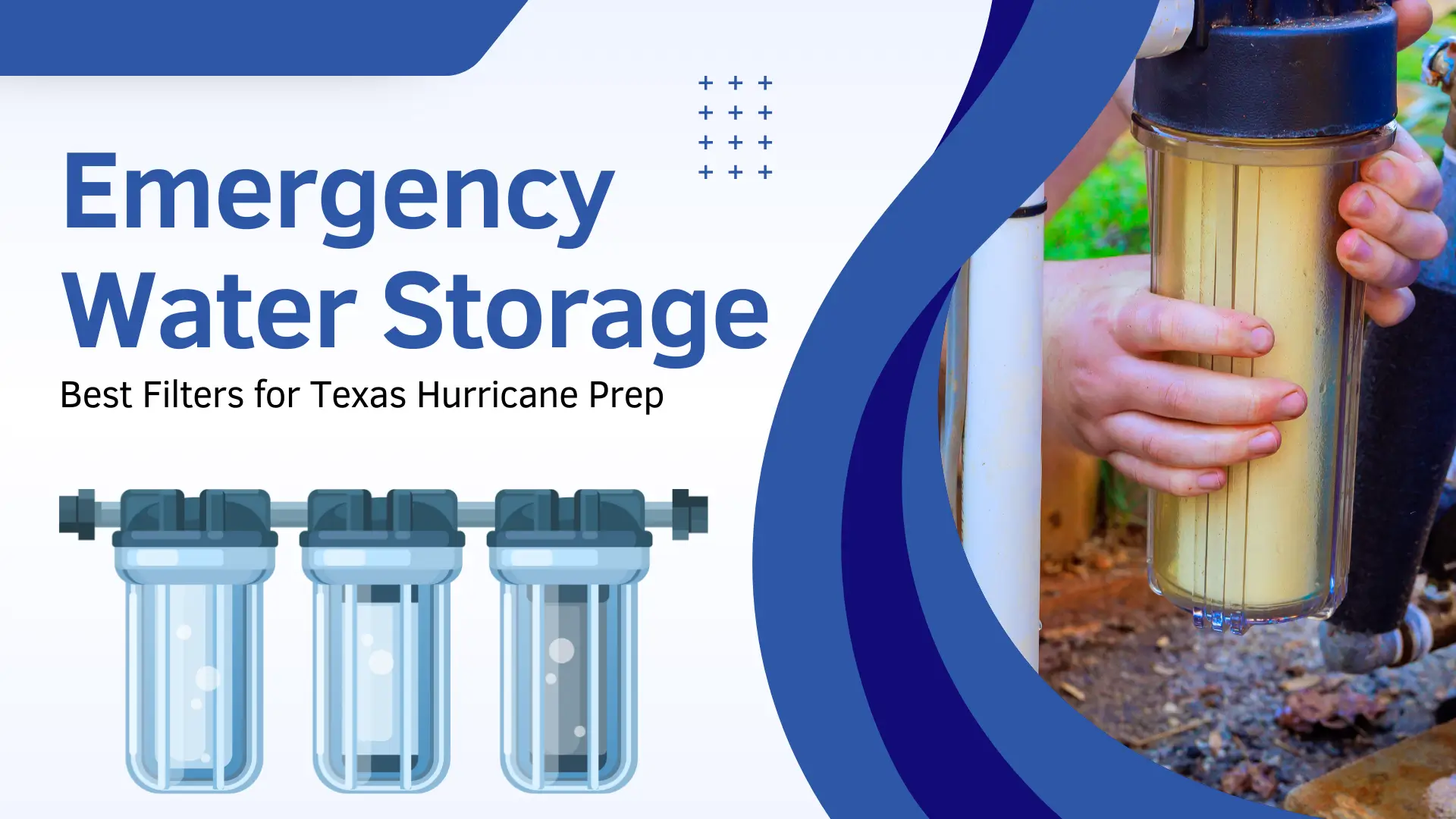
When hurricane season rolls around in Austin, Katy, or Bellarie, having a reliable emergency water supply isn’t just a convenience—it’s a necessity. While Texans are no strangers to storms, many homeowners underestimate the importance of clean, safe water during an emergency. Beyond storing enough water, knowing how to filter it effectively can make a huge difference for your health, your plumbing, and your daily comfort. Here’s a friendly, local guide to navigating water storage and filtration for hurricane prep in Texas.
Understanding Austin’s Water Concerns
Before diving into emergency prep, it’s helpful to understand what’s in the tap water here in Central Texas. While Austin and surrounding areas enjoy generally safe water, several common issues can affect taste, plumbing, and appliances over time.
1. Hard Water Minerals
Austin water is notoriously hard, with high levels of calcium and magnesium. Hard water can cause scale buildup in pipes, damage appliances like dishwashers and water heaters, and leave residue on dishes and faucets. Beyond inconvenience, untreated hard water can shorten the lifespan of plumbing and appliances.
2. Chlorine and Chloramine
To keep water safe from bacteria, local utilities treat water with chlorine or chloramine. While effective for disinfection, these chemicals can alter taste and odor and may cause skin irritation for some residents.
3. Sediment and Turbidity
Heavy rainfall, construction projects, or pipe corrosion can introduce sediment into the water supply. This often shows up as cloudy water or particles in faucets, and while generally not harmful, it’s an indicator your water may benefit from filtration.
4. Emerging Contaminants (PFAS)
Per- and polyfluoroalkyl substances (PFAS) are industrial chemicals that can appear in local water sources. While levels in Austin are typically low, long-term exposure is something many homeowners prefer to minimize through targeted filtration.
Understanding these issues isn’t just about knowing what’s “wrong” with your water—it’s about taking steps to protect your family and your home, especially when hurricane season threatens supply disruptions or contamination.
Spotting Problems Before They Become Emergencies
Not every water concern is obvious, but there are some telltale signs that you might need a filtration or softening solution:
- Taste or Smell: Metallic, chlorine, or earthy flavors can indicate mineral buildup or chemical treatment.
- Appliance Scale: White, chalky deposits in kettles, faucets, or washing machines point to hard water.
- Skin and Hair Effects: Dry skin or hair that feels rough after showers may be a clue to high mineral content.
- Cloudy Water or Sediment: Visible particles or discoloration suggest sediment contamination.
For Texans prepping for hurricanes, identifying these issues early is key. Knowing your water quality can guide how much stored water you need, what filtration systems to install, and how to ensure water remains safe during outages.
Choosing the Right Filtration for Emergency Storage
When storing water for hurricanes, the goal isn’t just quantity—it’s quality. Even if you have a 50-gallon tank in your garage, untreated water can carry minerals, bacteria, or chemicals that affect taste and safety.
Point-of-Use Filtration: For drinking and cooking, consider systems installed at your kitchen faucet or under the sink. These filters can remove chlorine, sediment, and some emerging contaminants, making water taste better and safer. Local Austin homeowners often favor systems that handle hard water minerals as well, giving peace of mind during extended outages.
Whole-House Filtration: If you want every tap in your home to provide clean water, whole-house filtration is ideal. These systems filter water before it reaches appliances and faucets, reducing scale buildup and protecting plumbing. For emergency prep, this means that even when municipal water is compromised temporarily, your stored water and daily usage are safer.
Water Softeners: Given the high mineral content in Austin water, a water softener is almost essential. Softened water protects pipes and appliances while improving soap efficiency and skin comfort. This is especially important if you’re storing water for weeks, as hard water can quickly leave deposits in tanks and containers.
Naturally, a local solution that integrates both filtration and softening provides the best long-term protection. Companies like Aquapure, for example, offer systems customized to Austin homes, ensuring emergency water stays clean and palatable.
Practical Tips for Local Water Testing
Before hurricane season, testing your water helps you plan effectively. Here’s a simple local approach:
- DIY Kits: Affordable test kits can measure hardness, chlorine levels, and common minerals. While not exhaustive, they give a clear snapshot of potential issues.
- Professional Testing: Certified technicians, like those from local Texas companies, can provide comprehensive tests, including PFAS, bacteria, and sediment analysis. Professional results are crucial for emergency prep and informed filtration choices.
- Regular Checks: Water quality can fluctuate with heavy rains, droughts, or infrastructure updates. A quick test every few months helps you adjust your filtration or storage setup before an emergency.
By identifying the exact contaminants in your home water, you can tailor your emergency storage solutions. For example, a house with very hard water might prioritize a softening system, while one with sediment issues might focus on filtration for stored water.
Emergency Water Storage Tips for Texans
Storing water for hurricanes requires more than filling jugs and leaving them in a closet. Here’s how to do it effectively in Austin, Katy, and Bellarie:
- Containers Matter: Food-grade plastic or glass containers prevent leaching and contamination. Avoid repurposed juice or milk jugs—they degrade faster.
- Clean Before Filling: Wash containers with soap and water, then rinse thoroughly.
- Use Treated Water: Municipal tap water is generally safe if treated with chlorine. If using well water, consider filtration before storage.
- Rotate Regularly: Stored water should be replaced every 6–12 months to maintain freshness.
- Label and Organize: Clearly mark containers with the fill date. Keep them in a cool, dark area to prevent bacterial growth.
Pairing proper storage with filtration ensures that, even in extended outages, your family has access to water that’s not only sufficient but safe.
Integrating Local Expertise: How Aquapure Helps
For many homeowners, managing Austin’s water quality and emergency preparedness can feel overwhelming. That’s where local, Texas-owned expertise comes in. Aquapure provides solutions designed for the unique water challenges in Central Texas, helping families safeguard both everyday water and emergency reserves.
Here’s how Aquapure approaches it:
- Customized Solutions: Every home has different water needs. Aquapure tailors filtration and softening systems to your local water profile.
- Certified Installation: Free installation and support ensure systems are set up correctly and efficiently.
- Peace of Mind: Lifetime warranties and decades of experience mean your emergency water supply is protected for years.
- Flexible Financing: Easy financing options like $0 down and Buy Now – Pay Later make upgrading your water system manageable.
For homeowners prepping for hurricanes, combining proper storage with Aquapure’s filtration and softening solutions ensures that water remains safe, drinkable, and convenient throughout any emergency.
Local FAQ: Emergency Water and Filtration
Is Austin tap water safe?
Yes, municipal water in Austin meets safety standards, but it can still contain hard water minerals, chlorine, and occasional sediment. Filtration improves taste, safety, and appliance longevity—especially during hurricane prep.
Do I need a water softener in Austin?
If your home shows scale buildup, cloudy faucets, or dry skin issues, a softener is worth considering. It protects appliances and plumbing while improving daily water use.
How much does a water filtration system cost in Austin?
Costs vary depending on system type and home needs. Local providers like Aquapure offer customized solutions with flexible financing and no upfront payment options, making it more accessible than many expect.
How do I know if my stored water is safe?
Check for clarity, taste, and odor. For long-term storage, filtering or softening the water before and after storage is key. Professional water testing can provide peace of mind, especially during hurricane season.
Take Action Today
Texas homeowners know the value of preparation. When it comes to emergency water storage, taking proactive steps today ensures your family’s safety tomorrow. Whether you’re testing your water, installing a filtration system, or softening your home’s supply, local expertise makes all the difference. Request a free water test or consultation to find the right solution for your Austin, Katy, or Bellarie home. Clean, safe water is possible—even when the storms roll in.