


If you live in Sugar Land, Katy, or anywhere around the Houston metro, you’ve probably noticed a few things about your tap water. Maybe your shower glass has a stubborn white film that never quite comes off. Maybe your morning coffee tastes a little flat, or your ice cubes look cloudy. Or perhaps you’ve replaced a water heater or dishwasher sooner than you expected.
None of these are random annoyances. They usually trace back to what’s actually dissolved in your water minerals, salts, and other naturally occurring solids that come from the ground or get picked up along the way. Understanding what those things are and what they do is the first step toward deciding whether your home needs any kind of water treatment, and if so, what kind.
Here’s what you need to know, without the sales pitch.
The Minerals Are NaturalBut “Natural” Doesn’t Always Mean Harmless to Your Home
Texas groundwater picks up minerals as it moves through limestone, gypsum, and other underground formations. Calcium and magnesium are the big ones for homeowners because they’re the primary culprits behind hard water . When water carries a lot of these two minerals, it behaves differently. Soap doesn’t lather as well. Scale builds up inside pipes and appliances. That chalky white crust around your faucet is basically calcium and magnesium that got left behind when the water evaporated.
In the Houston area, this isn’t a minor issue. Communities like Katy and Sugar Land consistently test on the higher end for hardnes soften in the range that water professionals classify as hard to very hard . If you’re on a municipal utility district supply in those areas, your water may also be a blend of groundwater and surface water, which can shift the mineral profile depending on the season and the source.
Here’s the thing: calcium and magnesium aren’t contaminants in the health sense. They’re not going to hurt you. But they will quietly cost you money over time by degrading the efficiency of water heaters, shortening the life of dishwashers and washing machines, and making everyday cleaning more of a chore.
What “Dissolved Solids” Actually Means, and Why You Should Care
Total dissolved solids, or TDS, is a catch-all term for everything dissolved in your water that isn’t a gas. That includes calcium, magnesium, sodium, bicarbonate, sulfate, chloride, and a long list of other substances . Some of these are harmless. Some affect taste. Some, at high enough levels, can signal a problem.
You can’t see TDS. You can’t smell most of it. But you can often taste it water with high TDS sometimes has a flat, slightly metallic, or even salty edge to it. It also tends to leave more residue on fixtures and produce cloudier ice.
The tricky part is that a single TDS number doesn’t tell you what’s actually in the water. Two homes could have identical TDS readings and completely different water quality issues. One might have high hardness but low sodium; the other might be the reverse. That’s why a proper water test matters more than any generic “acceptable range” you find online. A test tells you which specific minerals and dissolved substances are present, and in what amounts, so you can match the solution to the actual problem.
The Chlorine vs. Chloramine Question in Houston-Area Water
Most homeowners know that municipal water is disinfected. What many don’t realize is that the type of disinfectant matters for filtration.
Chlorine has been the traditional choice, and it’s effective. But as surface water becomes more common in the Houston region part of a broader shift away from groundwater to address subsidence many water districts are switching to chloramine instead . Chloramine is a compound of chlorine and ammonia. It lasts longer in the pipes, which is good for public health, but it changes the filtration equation.
Why? Because chloramine is harder to remove with standard carbon filters than plain chlorine is. If you’re shopping for a whole home system and your water district uses chloramine, you need filtration components specifically rated for chloramine reduction. A filter that handles chlorine beautifully might underperform on chloramine. This is the kind of detail that’s easy to miss if you’re comparing systems online without knowing your water source and it’s exactly why asking about chloramine-resistant components filtration system texas options is worth doing before you buy.
How to Tell If Your Home Actually Needs Water Treatment
Not every Texas home needs a full treatment setup. Some homes have water that’s hard but otherwise fine. Others have specific issues ediment, old plumbing contributing lead, or a chlorine taste that makes drinking water unappealing. The signs below are your starting point, not a diagnosis.
You probably have hard water if: you see white scale on faucets and showerheads, your dishes come out spotted even after a rinse aid, your skin feels tight or dry after showering, or your water heater makes popping or rumbling sounds (that’s scale cracking off the heating element). In Katy and Sugar Land especially, hardness is common enough that these symptoms are almost expected .
You might have a filtration-worthy issue if: your water smells like a swimming pool (chlorine), has a rotten-egg odor (sulfur, more common with well water), looks cloudy or has visible sediment, or leaves rust-colored stains in sinks and toilets . If you’re on older plumbing say, a home built before the mid-1980slead is a legitimate concern, because it can leach from pipes and solder and you can’t taste or see it.
You might benefit from drinking-water-specific treatment if: you’re concerned about nitrates (more common in agricultural areas or with shallow wells), you want better-tasting water without buying bottled, or you have a specific contaminant concern that a basic carbon filter won’t address.
If you’re on well water rather than municipal supply, the testing recommendation gets stronger. Private wells aren’t regulated the same way, and water quality can vary significantly from one property to the next.
Filtration, Softening, RO, and Sanitization: What Each One Actually Does
These terms get thrown around interchangeably in marketing, but they solve different problems. Here’s the plain-English version.
Water softening removes calcium and magnesium through a process called ion exchange. The hard minerals get swapped for sodium or potassium ions, which don’t cause scale. A softener doesn’t purify water or remove contaminants it just makes the water “soft” so it behaves better in your plumbing and appliances . If hardness is your main complaint, this is the targeted fix.
Whole-home filtration treats all the water entering your house. Depending on the filter media, it can reduce chlorine, chloramine, sediment, and some organic compounds. It improves taste and odor throughout the house and takes some load off your appliances, but a standard carbon filter isn’t designed to remove dissolved minerals or heavy metals like lead . Think of it as a first line of defense for water quality, not a complete solution for every possible issue.
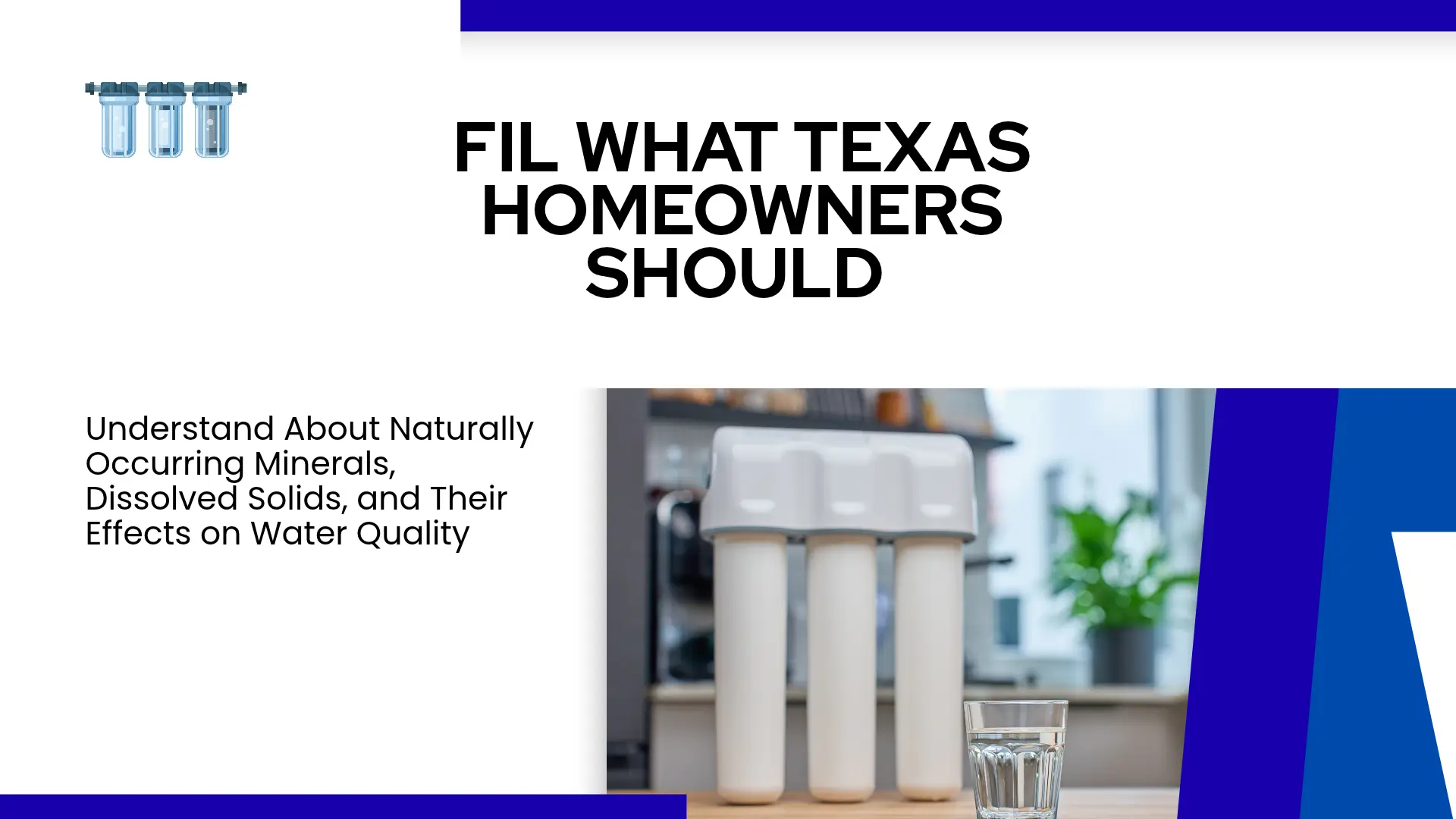
Reverse osmosis (RO) forces water through a membrane that captures a very wide range of dissolved substances lead, nitrates, sodium, and many others. It’s typically installed under the kitchen sink for drinking and cooking water rather than treating the whole house . RO produces very pure water, but it also removes the minerals that give water its taste, and it wastes some water in the process. For families who want bottled-quality drinking water without the bottles, a reverse osmosis system is often the right tool.
Sanitization (often UV treatment) uses ultraviolet light to neutralize bacteria and other microorganisms. It doesn’t remove minerals or chemicals it’s a microbial safety step. Most useful for well water or as a final stage after other treatment.
The key takeaway: these aren’t competing products. They’re different tools. A home with very hard water and a family that wants great-tasting drinking water might reasonably use a water softener system for the whole house and an RO unit at the kitchen sink. A home on treated municipal water with a mild chlorine taste might only need a home water filtration system. Matching the system to the test results is what separates a useful investment from an expensive experiment.
What Whole-Home Systems Actually Do (and What They Don’t)
A whole-home system installs on the main water line where it enters your house. Every drop that goes to showers, sinks, laundry, and appliances passes through it. That’s different from a point-of-use filter, which treats water at a single faucet.
The benefit of whole-home treatment is that it protects everything, not just the water you drink. Softened or filtered water means less scale in your water heater, longer appliance life, better soap performance, and showers that don’t leave a film on your skin. If you’ve ever scrubbed a shower door with vinegar and a razor blade, you understand why this matters.
What a whole-home system doesn’t do is make water safe from every possible contaminant. A carbon filter is excellent for chlorine and taste. A softener is excellent for hardness. Neither is a substitute for RO if you have a specific dissolved contaminant concern in your drinking water. And neither is a sanitizer. Be skeptical of any single product that claims to do everything water treatment is usually a combination of targeted steps, not one magic box.
Maintenance Is Real, and Ignoring It Costs More Later
Every treatment system has consumables. Softeners need salt the kind you put in the brine tank, not table salt. Filters need cartridges replaced on a schedule. RO membranes and pre-filters have a lifespan. UV bulbs lose effectiveness over time even if they still light up.
The good news is that maintenance is usually simple once you know what to expect. A softener might need a bag of salt for filtration systems every month or two depending on your water use and hardness level. Whole-home filters typically get swapped every few months to a year. RO membranes often last two to three years. The cost of maintaining a system is almost always less than the cost of replacing a water heater or a dishwasher prematurely, and it’s certainly less than the hassle of living with water that makes cleaning harder than it needs to be.
The one maintenance step people skip most often is the water test. Water quality changes. A well that tested fine five years ago might have shifted. A municipal supply might switch disinfectants (as many Houston-area districts are doing). Testing every year or two, or whenever you notice a change in taste, smell, or spotting, keeps you from treating a problem that no longer exists or missing one that just appeared.
A Note on Getting the Install Right
Water treatment equipment is only as good as its installation. A softener sized wrong for your household will either run out of capacity too fast or cycle inefficiently. A whole-home filter installed without a bypass valve makes maintenance harder than it should be. An RO system plumbed incorrectly can leak or underperform. This is one of those areas where a certified specialist with local experience is worth the investment not because the equipment is mysterious, but because the details of your specific water and plumbing are what determine whether the system works the way it’s supposed to.
Aqua Pure LLC is a Texas-based provider that works with homeowners on whole-home systems, softeners, RO, and sanitization. If you’re in the Sugar Land, Katy, or greater Houston area and you’re not sure where to start, a professional water test and a straight conversation about what your water actually needs is a reasonable first step.
Questions Homeowners Around Houston Actually Ask
Is a whole-home water purification system worth it in Sugar Land or Katy?
For many homes in this area, yes but “whole-home purification” can mean different things. If you have hard water (very likely in Katy and Sugar Land), a softener will make a noticeable difference in how your water feels and how your appliances perform. If you’re mainly concerned about drinking water quality, an under-sink RO plus a basic whole-home carbon filter might be the more practical combination. Worth it depends on what you’re trying to solve.
What water issues are most common in Texas homes?
Hardness is the big one across the Houston metro, especially in the western and northwestern suburbs. Chlorine or chloramine taste and odor is common with municipal supplies. Sediment can be an issue in older neighborhoods or after main breaks. And in homes with older plumbing, lead is a quiet concern that’s worth testing for.
Do water softeners remove contaminants?
No. A softener removes calcium and magnesium that’s it. It doesn’t remove lead, nitrates, bacteria, or chlorine. It makes hard water behave better in your pipes, but it’s not a purifier . If you need contaminant removal, that’s a different piece of equipment.
Is reverse osmosis water safe for daily drinking?
Yes. RO is one of the most effective ways to remove a broad range of dissolved contaminants from drinking water, and the water it produces is safe for daily consumption. Some people add a remineralization stage because RO water can taste flat, but that’s a preference, not a safety requirement.
How long do home water systems typically last?
It depends on the type and how well they’re maintained. Softeners can last 10 to 15 years or more with regular salt and occasional service. Whole-home filter housings are durable, but the media inside needs replacement on schedule. RO systems typically last five to ten years for the main components, with membranes and filters replaced along the way. The common thread is maintenance: systems that get their consumables changed on time last much longer than ones that get ignored.
If you’re ready to stop guessing what’s in your water and start with actual information, the team at Aqua Pure LLC can help you test, interpret the results, and figure out whether you need a softener, a filter, an RO, or nothing at all. No pressure, just a clear picture of what your water is doing and what your options are.