


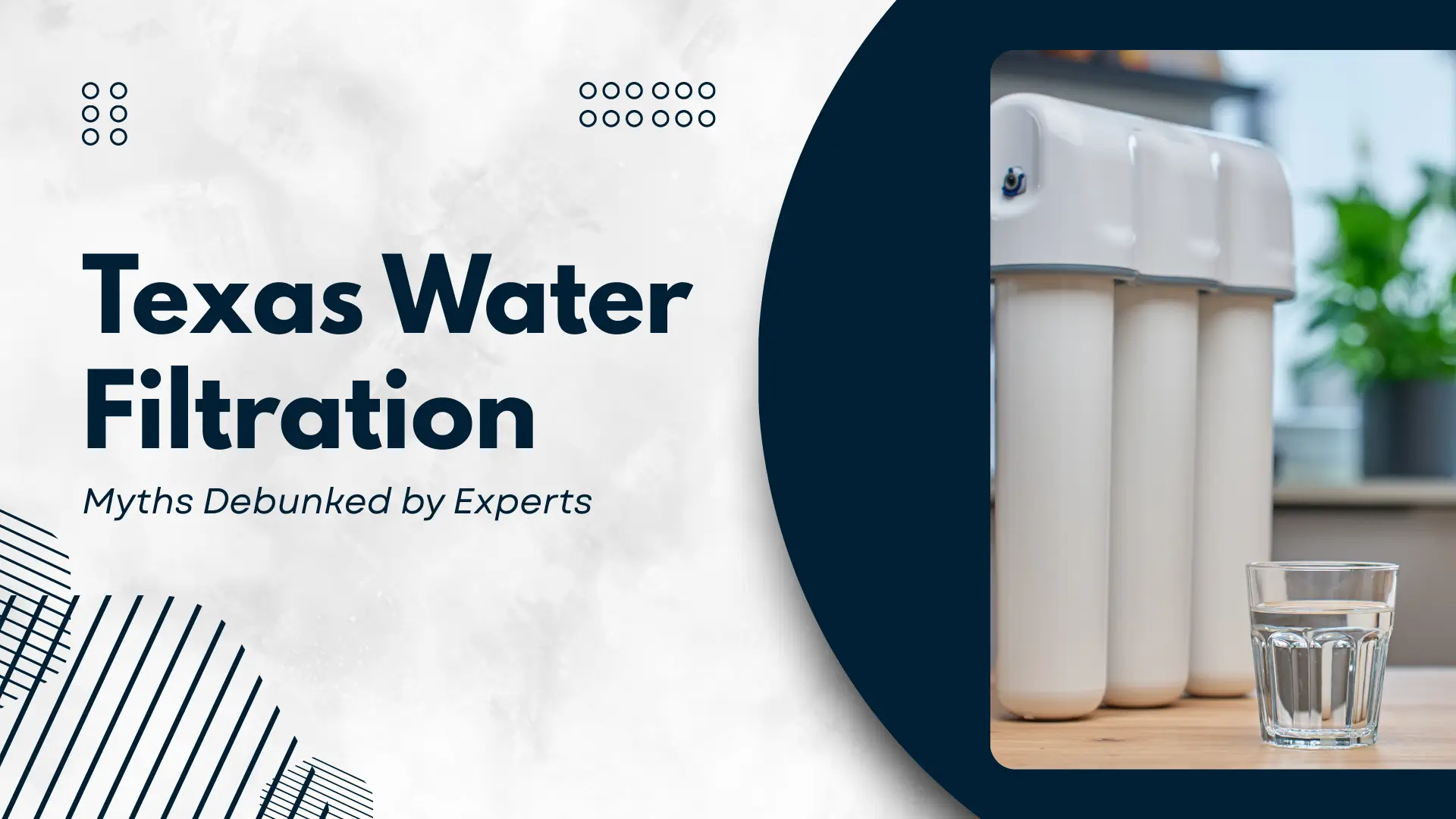
If you live in Texas, chances are you’ve heard a mix of stories about tap water. Some say filtered water tastes flat, others warn that home systems are unnecessary or expensive. As a residential water quality specialist familiar with Texas water conditions, I can tell you: much of what you hear is myth. Understanding the truth can protect your family’s health, your appliances, and even your wallet. Here’s a practical guide to help Texas homeowners separate fact from fiction when it comes to water filtration.
Myth 1: Filtered Water Is Tasteless
Many Texans claim filtered water tastes bland or flat, especially if they are used to mineral-rich tap water. In reality, good home water filtration systems remove unwanted chemicals like chlorine in tap water, sediment, and sometimes lead, without stripping beneficial minerals that give water a pleasant taste.
The “flat taste” you might notice is often just the absence of chlorine or metallic flavors, which most people find an improvement. Systems such as reverse osmosis drinking water filters can produce very pure water, but some homeowners prefer to leave trace minerals intact for taste.
For homeowners in areas like Rosharon, TX, where city water may have higher chlorine levels, filtering at the point-of-use or installing a whole home water purification system can noticeably improve taste without leaving water bland.
Myth 2: Only Bottled Water Is Safe
Bottled water is convenient, but it is not automatically safer than filtered tap water. In Texas, municipal water is treated to meet safety standards, yet it can still contain chlorine, trace heavy metals, and sediment. A quality home water filtration system, installed by certified specialists like those at Aqua Pure LLC, can remove these contaminants reliably.
Home systems also reduce plastic waste and ongoing costs. For families in Houston, Austin, or Rosharon, this can be a practical and environmentally friendly alternative to buying bottled water constantly.
Myth 3: Water Softeners Remove All Contaminants
A common misconception is that water softeners solve all water problems. Texas hard water, rich in calcium and magnesium, can damage pipes, appliances, and skin. Water softener systems do a great job at reducing hardness, preventing scale buildup, and protecting water-using appliances.
However, softeners do not remove chlorine, lead, or microbial contaminants. That’s why many homeowners combine softeners with carbon filters, reverse osmosis systems, or a whole house water filter for comprehensive protection. Aqua Pure LLC specializes in integrating these solutions for Texas homes, ensuring both soft water and contaminant removal.
Myth 4: Reverse Osmosis Removes Everything You Need
Reverse osmosis (RO) drinking water systems are powerful. They remove minerals, chlorine, and many other contaminants. Some critics claim that RO water is “too pure” or lacks minerals. While it’s true that RO water can remove beneficial minerals, for most daily drinking and cooking needs, this is not a health concern. Mineral intake is typically maintained through diet, not solely from water.
For families in Cedar Park or Austin, water filtration systems with RO can provide reliable, safe drinking water without worrying about city water fluctuations. Many homeowners prefer to use RO for drinking and cooking, while leaving softened or filtered water for showers and laundry.
Myth 5: Whole Home Systems Are Overkill
Installing a whole home water purification system might seem excessive, but for Texas homes, it often makes sense. These systems treat all incoming water, protecting skin, hair, plumbing, and appliances from hard water and chlorine damage.
Signs your home may benefit from a whole house water filter include:
- White scale on faucets, showerheads, and appliances
- Dry skin or hair after showers
- Faded laundry
- Metallic taste or odor in tap water
Whole home systems installed by experienced providers, like Aqua Pure LLC, can combine softening, filtration, and even UV sanitization to cover multiple concerns. This reduces maintenance compared to using multiple point-of-use filters throughout the home.
Myth 6: Installation and Maintenance Are Complicated
Some homeowners worry that water filtration and softener systems require constant attention. While all systems need routine maintenance, it is manageable with proper guidance.
- Water softeners: Require salt refills every few months. Many providers, including Aqua Pure LLC, offer salt delivery for home softener systems in the Dallas area.
- Carbon filters: Typically replaced every 6–12 months.
- RO systems: Filter cartridges usually replaced annually, while membranes last 2–3 years.
Professional installation ensures that systems operate efficiently, and certified specialists can provide guidance on maintenance schedules and troubleshooting. This is particularly useful in areas like Sugar Land, Houston, or Rosharon, where local water quality varies seasonally.
Myth 7: Hard Water Isn’t a Big Deal
Texas hard water can cause subtle yet costly problems. Scale buildup from calcium and magnesium can shorten the life of water heaters, dishwashers, and coffee makers. It also reduces soap efficiency, leaving residue on skin, hair, and clothing.
A water softener system or a combined whole home water purification system addresses these issues before they escalate. In addition to appliance protection, softened water is gentler on skin and hair, making daily living more comfortable for families.
Practical Tips for Homeowners
1. Test Your Water First
Before investing in any system, have your water professionally tested. This can detect hardness, chlorine, lead, sediment, and microbial contamination. Aqua Pure LLC offers certified water testing for homes in Texas, helping homeowners make informed choices.
2. Compare Filtration Options
- Point-of-use filters: Easy to install under the sink, ideal for drinking water.
- Reverse osmosis drinking water systems: Best for high-purity drinking and cooking water.
- Whole home water purification systems: Treat all incoming water for comprehensive protection.
- Water softeners: Target hard water issues and protect plumbing and appliances.
3. Look for Local Expertise
Texas cities like Rosharon, Austin, Dallas, and Houston have varying water profiles. Partnering with experienced, local specialists ensures proper system design and installation.
4. Maintenance Planning
Plan for annual filter changes, salt deliveries for softeners, and occasional system checks to ensure long-term performance.
Industry FAQ
Q: Is a whole-home water purification system worth it in Rosharon?
A: Yes, especially if your water is hard, contains chlorine, or has sediment. Whole home systems protect appliances, plumbing, and skin while ensuring consistent water quality throughout your home.
Q: What water issues are common in Texas homes?
A: Hard water, chlorine in tap water, sediment, occasional microbial contamination, and trace heavy metals like lead are typical concerns. The severity varies by city and neighborhood.
Q: Do water softeners remove contaminants?
A: No, water softeners target hardness (calcium and magnesium). To remove chlorine, lead, or other contaminants, pair a softener with a filtration system or reverse osmosis setup.
Q: Is reverse osmosis safe for daily drinking?
A: Yes, RO water is safe and commonly used. While it removes some minerals, these can be obtained from a normal diet. RO water is particularly effective in removing chlorine, lead, and other contaminants.
Q: How long do home water systems typically last?
A: Whole home water purification systems and water softeners can last 10–15 years with proper maintenance. RO systems and point-of-use filters typically need annual or biannual filter replacements, with membranes lasting 2–3 years.
Making the Most of Your Texas Water
Water quality is more than just taste. It affects your health, appliances, skin, hair, and even laundry. For homeowners in Rosharon and nearby Texas communities, separating fact from fiction about filtration can prevent frustration and long-term damage.
Whether you are considering a water softener system, reverse osmosis drinking water system, or a whole home water purification system, the right approach starts with understanding your water. Certified specialists like those at Aqua Pure LLC can provide testing, advice, and professional installation tailored to your home.
Investing in proper water treatment solutions ensures cleaner, safer, and more enjoyable water for your family, while protecting your home and appliances for years to come.