


If you’ve ever stepped out of the shower feeling like you still have a film on your skin, or noticed your shampoo just doesn’t lather no matter how much you use, you’re not imagining things. The culprit isn’t your soap or shampooit’s your water.
For Texas homeowners, this frustrating experience is all too common. Our local water, especially in areas like Sugar Land, Houston, and Katy, tends to be notoriously hard. Here’s the truth: when you wash with hard water, you aren’t really getting clean. Let’s break down what’s happening chemically and what you can do about it.
The Chemistry Behind Your Shower
Soap and shampoo are designed to mix with water to create a rich lather that lifts dirt and oils from your skin and hair. However, hard waterwhich contains high levels of dissolved minerals like calcium and magnesiuminterferes with this process.
Here’s the science: These minerals react with the fatty acids in soap. Instead of creating a rich lather, the reaction forms an insoluble, sticky substance often referred to as “lime soap” or soap scum. This is the same gunky residue you struggle to scrub off your shower tiles.
The real “gotcha” moment here is that this soap scum isn’t just on your walls; it’s on your body and in your hair.
Instead of washing dirt away, the minerals bind with the cleanser and deposit a film. This is why your skin might feel dry and irritated, and why your hair feels brittle or dull. The mineral buildup blocks natural oils and moisture from penetrating the hair shaft, leaving it rough and prone to tangling.
How Hard Water Harms Your Hair and Skin
For homeowners concerned about health and daily use, the effects of hard water can be disheartening. When those little “scales” on your hair shaft stand up due to mineral exposure, you get that rough texture and frizz we all hate. It prevents moisture from getting in, leaving your hair flat and lifeless despite the products you use.
If you have color-treated hair, hard water is even worse. The minerals act almost like “sand blasting” on the hair shaft, causing colors to fade faster and appear less vibrant. For your skin, the mineral residue disrupts the skin’s natural pH balance, weakening the barrier and often exacerbating conditions like eczema or acne.
The Texas Water Reality
Here in the Lone Star State, we deal with this daily. In San Antonio, for example, the water hardness is historically high due to the area’s limestone geology. When you search for “san antonio water hardness” or “san antonio hard water,” you’ll find that the water in this region requires robust treatment. The struggle to get a good lather isn’t just a nuisance; it’s a sign that you are likely wasting soap and damaging your plumbing. This is why many residents look into a whole house water filtration system in Timberwood Park, TX, or consider a water softener system in Houston to combat these effects.
Solutions: Beyond “Softer” Water
If you are tired of your shampoo underperforming or the feeling of residue on your skin, it’s time to look at the source. While a simple shower filter can mitigate some effects, they often aren’t powerful enough to handle the heavy mineral loads found in places like Sugar Land or Katy.
Water Softeners vs. Filtration
It is important to know the difference. A water softener system specifically targets hardnessthe calcium and magnesiumvia an ion-exchange process. Systems like the westinghouse water softener or aqua pure water softener are designed to reduce these minerals so soap can lather properly.
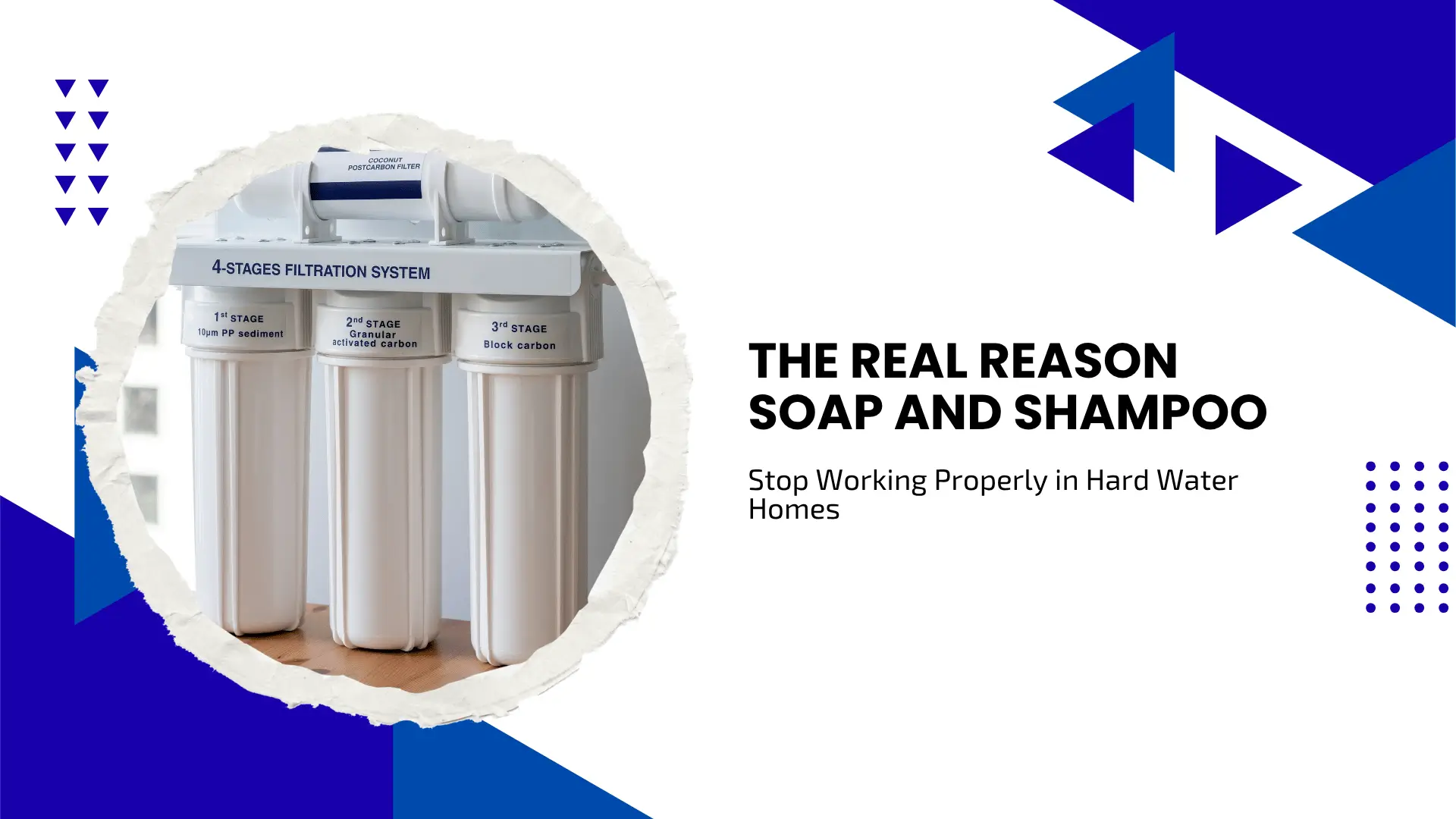
However, if you are also concerned about contaminants like chlorine, lead, or sedimentwhich are common in city suppliesyou need a water filtration system as well. Many homeowners are now opting for whole-home water purification services that combine the two: softening to fix the “soap” issue and filtration to ensure the water is safe and tastes great.
Reverse Osmosis (RO)
While a whole home system protects your appliances and showers, many families choose a reverse osmosis system for their kitchen tap. This ensures that the water you drink and cook with is pristine. According to experts, RO is a safe and effective method for daily drinking, removing a wide spectrum of impurities that softeners alone cannot catch.
FAQs
Is a whole-home water purification system worth it in Texas?
If you live anywhere between Dallas, Austin, and Houston, the answer is a resounding yes. It protects your plumbing, reduces your soap usage, saves your appliances from scale buildup, and ensures your family is drinking water free from sediment and contaminants. It is an investment in your property and your health.
Do water softeners remove contaminants?
Generally, no. Standard water softeners only remove the minerals that make water hard. While this solves the soap lathering issue, it does not remove lead, chlorine, or pesticides. To ensure safe drinking water, you will likely need an additional home water filtration system or an RO system.
How long do home water systems typically last?
With the proper maintenance and regular salt for filtration systems, a high-quality softener or whole home system can last 10 to 15 years. To get the most out of your investment, regular checks and water filtration maintenance are essential.
Your Next Step
Don’t let hard water dictate your shower routine or your health. If you are searching for water softener companies near me or a water filtration installation San Antonio TX, local experts understand these specific challenges.
Many families find success with a whole-home approach. Whether you are looking for advice on a westinghouse water filtration system or want to know more about aqua pure water softener service, the key is to match the system to your specific water test results.
For homeowners in Houston, Sugar Land, Katy, and San Antonio, professionals like Aqua Pure LLC specialize in addressing these local water issues. Their certified specialists can help you navigate the options to ensure your family enjoys cleaner, healthier water from every tap in the house.