


As a Texas homeowner and a parent, few things are more important than ensuring the health and safety of your children. From the moment they arrive, so much of our focus is on nutrition, sleep, and creating a safe environment. But one of the most overlooked aspects of that environment is the water coming out of every tap in your home.
For families in Sugar Land, Houston, Katy, San Antonio, and across the state, this is a practical concern with real consequences. Texas water sources are unique, and Texas families need to understand what’s in their water, how it affects their children, and what solutions actually work. Let’s take a friendly but thorough dive into the subject.
Why Babies and Children Are More Vulnerable to Water Contaminants
You might wonder why we need to be extra careful about water for little ones. It comes down to biology and behavior.
First, pound for pound, infants and young children drink much more water than adults. A baby’s body is made up of about 60-75% water, compared to 55-60% for adults. This means that any contaminants present in that water are consumed at a much higher dose relative to their body weight.
Second, their bodies are still developing. Their nervous, respiratory, and immune systems aren’t fully formed, making them more susceptible to harm from exposure to certain chemicals. As the Texas Groundwater Protection Committee notes, infants and young children more readily absorb certain substances through their digestive tracts. For instance, the percentage of lead absorbed in the gut can be 5 to 10 times greater in infants and young children than in adults.
And then there’s the behavior factor. If you’ve ever watched a toddler or infant explore the world, you know everything goes in the mouth. Babies often put their hands and other objects into their mouths, which increases their exposure to contaminants from washed hands or surfaces. They may also accidentally ingest bath water.
Common Texas Water Concerns
So, what exactly are we dealing with here in the Lone Star State?
Hard Water
Hard water isn’t just a nuisance for your appliances—it’s a reality of life in much of Texas. Groundwater in the Houston region, for example, naturally contains minerals like calcium and magnesium. The Austin area is also known to have hard water, with local water hardness averaging around 6 grains per gallon.
While hard water itself isn’t a direct health risk, it does cause issues. It can leave deposits on dishes, dry out skin and hair (making conditions like eczema worse), and clog up your pipes.
Sediment and Taste Issues
Texas water often contains sediment and can have a distinct smell or taste due to disinfectants like chlorine or naturally occurring minerals. Recently, residents in a growing Katy subdivision reported paying over $100 a month for water they don’t trust to use for cooking, bathing children, or even giving to pets. Homeowners in Katy Legacy have been dealing with ongoing issues with sediment and odor in their water.
Nitrates
This one is especially important for families with infants under six months. Nitrates are common groundwater contaminants that can enter the water supply from agricultural runoff, sewage, and leaking septic tanks. When infants ingest water with nitrates above the EPA Maximum Contaminant Level of 10 mg/L, they can develop methemoglobinemia, or “blue-baby syndrome.” This is a serious condition where nitrites interfere with the blood’s ability to carry oxygen and can be fatal if not treated promptly.
The Texas Groundwater Protection Committee identifies nitrates as one of the most significant threats, with 27% of certain child care operations in their study located in areas where groundwater samples exceeded the nitrate MCL.
Lead
Lead contamination often comes from the pipes in older homes rather than the municipal water supply itself. You can have perfectly safe water coming from the city plant, but it can pick up lead as it travels through your home’s older plumbing. For children, lead exposure is particularly dangerous because it can impair neurocognitive development and increase the risk of behavioral problems.
Formula Mixing: What Parents Must Know
One of the most common questions Texas parents have is about mixing formula. It’s a daily task, but the type of water you use matters more than you might think.
To Fluoridate or Not to Fluoridate?
Fluoride is added to many public water supplies to prevent tooth decay. In Texas, many municipalities fluoridate to the level recommended by the American Dental Association of 0.7 milligrams per liter.
However, because infants have such a high fluid intake relative to their body weight, consistently consuming formula made with fluoridated tap water could cause them to ingest fluoride above recommended levels. This can lead to dental fluorosis, a cosmetic condition where faint white streaks or markings appear on the teeth as they form under the gums.
The CDC recommends that infant formula be prepared with distilled or demineralized water to help avoid this issue. If you’re concerned, you can also use ready-to-feed formula, which is manufactured with non-fluoridated water.
The Water Safety Issue
Unless there’s a known contamination of your local water source, you can use tap water to prepare concentrated or powdered formula. However, “safe” is the key word here.
For infants under 3 months of age, those born prematurely, or those with a weakened immune system, the CDC and American Academy of Pediatrics recommend boiling water for about one minute, then letting it cool for about five minutes before adding the powder. This kills any potential bacteria.
Important Caution: Never boil water that has unknown chemical or mineral content. Boiling does not remove chemicals like nitrates or lead and will actually increase their concentration.
A Strong Recommendation
If you have a private well, you must test your water regularly. If you’re not sure about your well water quality, it’s best to use purchased bottled water or water from a public municipal supply for formula and food preparation.
The Rise of Well Water Use in Child Care
It’s important to note that private water wells serving fewer than 25 people are not regulated by the EPA or TCEQ in Texas. This creates regulatory gaps that put children at risk, especially in child care operations.
HHSC’s regulations require child care operations using private water supplies to “maintain the water supply in a safe and sanitary manner.” However, “safe and sanitary” has no legal definition in Texas for private water systems, and there are no requirements for disclosure of the water source or mandatory testing. This puts the responsibility of ensuring water safety squarely on the operators of these operations.
What Water Treatment Options Are Available?
Now for the practical part. What can you do about it? Texas homeowners have several options, and understanding the difference between them is key.
Water Softeners
A water softener system is designed specifically to address hard water. It works by swapping out hard minerals like calcium and magnesium for sodium or potassium ions. This is great for preventing scale buildup in pipes and appliances, making your soap lather better, and leaving your skin and hair feeling softer.
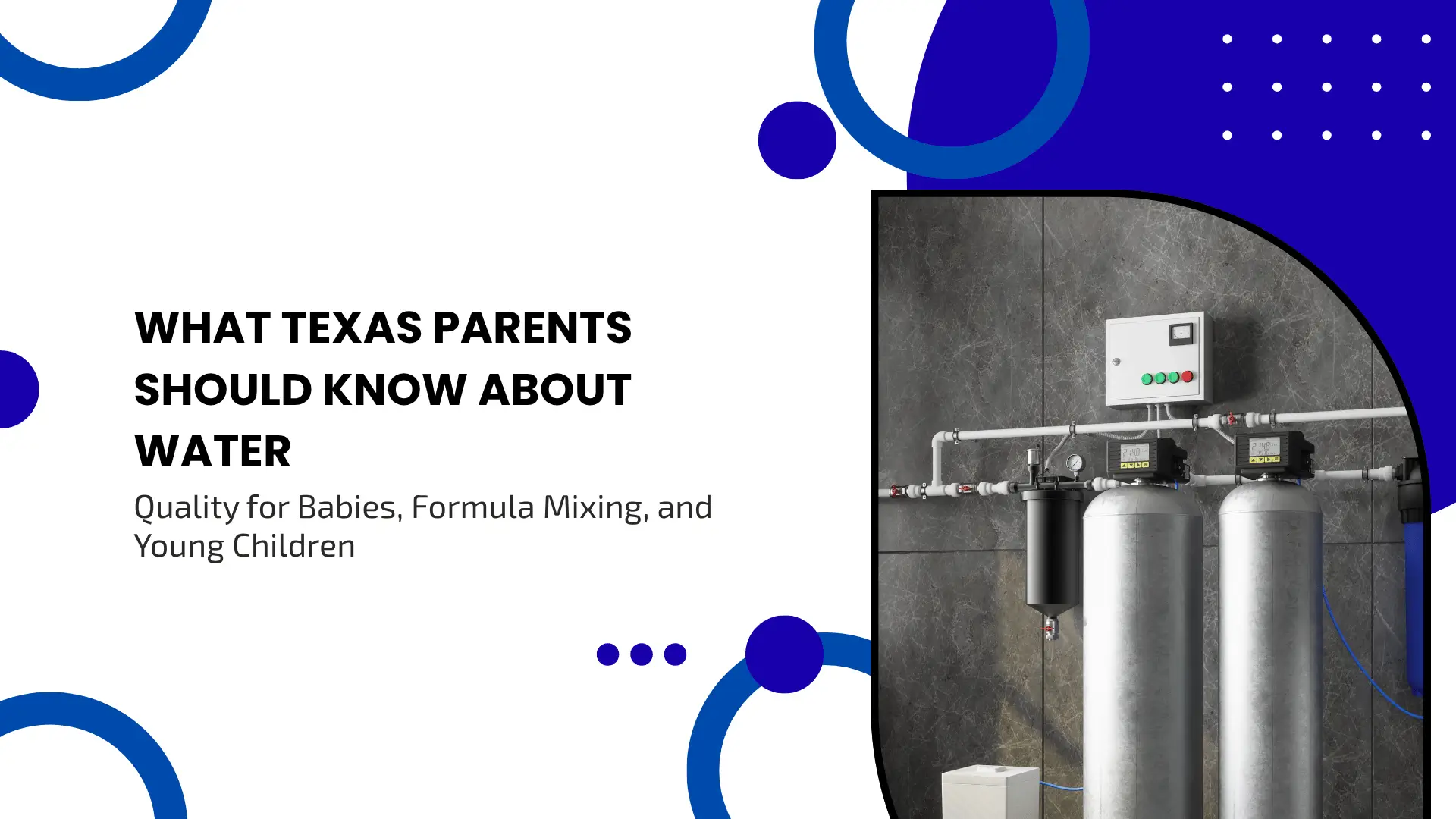
If you’re looking to protect your appliances and plumbing from the effects of hard water, a water softener system is a solid choice. Many homeowners in areas with notoriously hard water, like Houston, Sugar Land, and Katy, turn to water softener systems to manage these issues effectively. There are different types, and for those wanting a reliable option, looking into Aqua Pure water softeners or a westinghouse water softener is a good starting point. If you’re considering a service provider for water softener installation Houston or elsewhere, ensure they are certified specialists.
Water Filtration
A water filtration system is about removing contaminants. This includes the bad stuff—chlorine, sediment, lead, and certain chemicals. The “whole home water filter” systems are becoming increasingly popular. They filter all the water entering your house, so you have clean water for drinking, bathing, and washing.
Filters come with different media (like activated carbon) that trap contaminants. They don’t necessarily soften water, but they make it safe and taste better by removing odors and unpleasant flavors. A whole home water filtration system is often the cornerstone of a complete home water solution. For homes in areas like Sugar Land or Katy, looking into sugar land water filtration systems can help address local concerns.
Reverse Osmosis (RO)
RO is a more intensive filtration process that pushes water through a semi-permeable membrane. This removes a huge range of contaminants, including lead, nitrates, and other dissolved solids, creating incredibly pure water.
The question “Is reverse osmosis safe for daily drinking?” is a common one. The answer is yes. It produces high-quality drinking water. It’s important to note that because RO removes everything, including beneficial minerals like calcium and magnesium, some homeowners choose to add a remineralization filter to their RO system for taste and health benefits. If you want the purest water possible for drinking, a reverse osmosis system at your kitchen sink is an excellent investment.
Sanitization (UV/Ozone)
Sometimes, homeowners need to deal with biological contaminants like bacteria or viruses, especially if they have a well. In these cases, a sanitization system using UV light or ozone is often required to kill these harmful pathogens.
How They All Work Together
Often, the best approach for Texas homes is a combination of these systems. You might have a water softener system for the whole house to tackle hard water and protect your pipes, a water filtration system or westinghouse water filtration system to remove sediment, chlorine, and other chemicals, and a reverse osmosis system at the kitchen sink for the purest drinking and cooking water.
How Long Does a Water Purification System Last?
A well-maintained water softener can last 10-15 years. Reverse osmosis membranes generally need replacement every 2-3 years, while pre-filters might need replacing every 6-12 months. A high-quality whole-house filtration system can last 5-10 years or more, depending on the type and your water quality. However, this requires regular maintenance. Checking and changing filters, cleaning parts, and ensuring everything is running efficiently is crucial for both performance and longevity.
Conclusion
Protecting your family from water contaminants in Texas requires a bit of knowledge and a plan. By understanding the specific issues in your area and the options available, you can choose the right water purification system to keep your family healthy and safe.
When it comes to your children’s health, you don’t want to cut corners. If you’re looking for a local, trusted partner, many families in Sugar Land, Katy, Houston, and San Antonio turn to Aqua Pure LLC for their expertise. They are known for their certified specialists and professional home water filtration system installations. Whether you need a water softener system, a reverse osmosis system, or salt for filtration systems, they’re a solid resource for Texas families.
Don’t wait until you notice a problem with your water. A proactive approach is always best when it comes to your family’s health. Take charge of your water quality today.